


Key Insights
The global File Compression Software market is poised for robust growth, estimated at $1.4 billion in 2025, with a projected Compound Annual Growth Rate (CAGR) of 6.7% through 2033. This expansion is fueled by an increasing need for efficient data management across diverse applications, from personal computing and mobile devices to enterprise-level solutions. The ever-growing volume of digital content, coupled with the rising adoption of cloud storage and the continuous demand for faster data transfer, are significant drivers propelling the market forward. Businesses and individuals alike are increasingly reliant on file compression tools to reduce storage costs, optimize bandwidth usage, and simplify the sharing of large files, making this software category indispensable in the modern digital landscape.
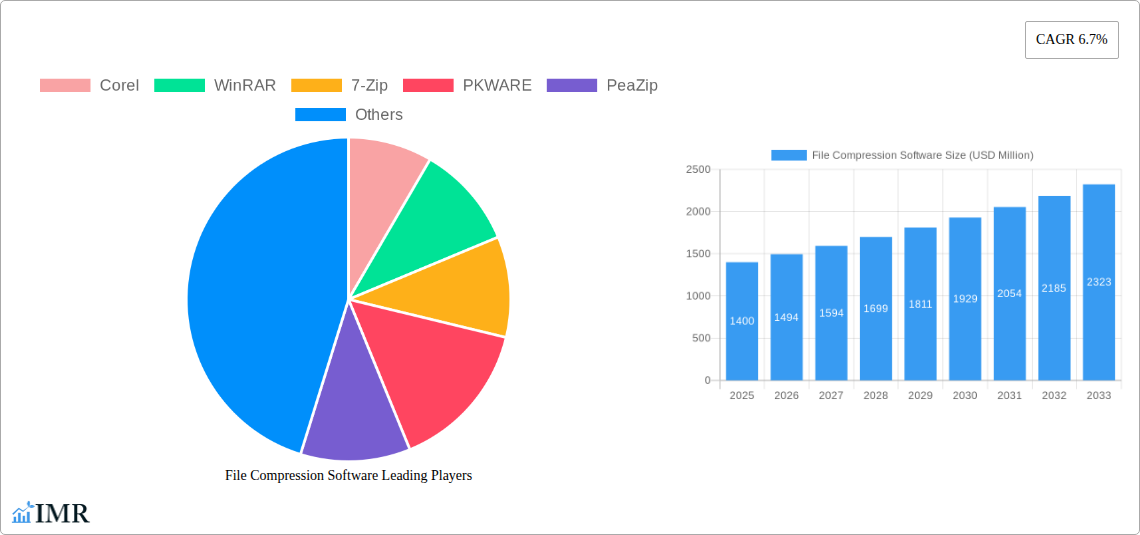
File Compression Software Market Size (In Billion)

Key trends shaping the File Compression Software market include advancements in compression algorithms leading to higher efficiency and reduced file sizes, as well as the integration of enhanced security features to protect sensitive data during compression and transfer. The proliferation of mobile devices and the surge in mobile data usage are also creating new avenues for growth, with a demand for user-friendly and powerful compression tools on smartphones and tablets. While the market enjoys strong growth, potential restraints could include the increasing availability of free, albeit less sophisticated, compression tools and the evolving native compression capabilities within operating systems themselves. Nonetheless, the demand for specialized, feature-rich, and secure file compression solutions from prominent players like Corel, WinRAR, and 7-Zip is expected to sustain the market's upward trajectory.
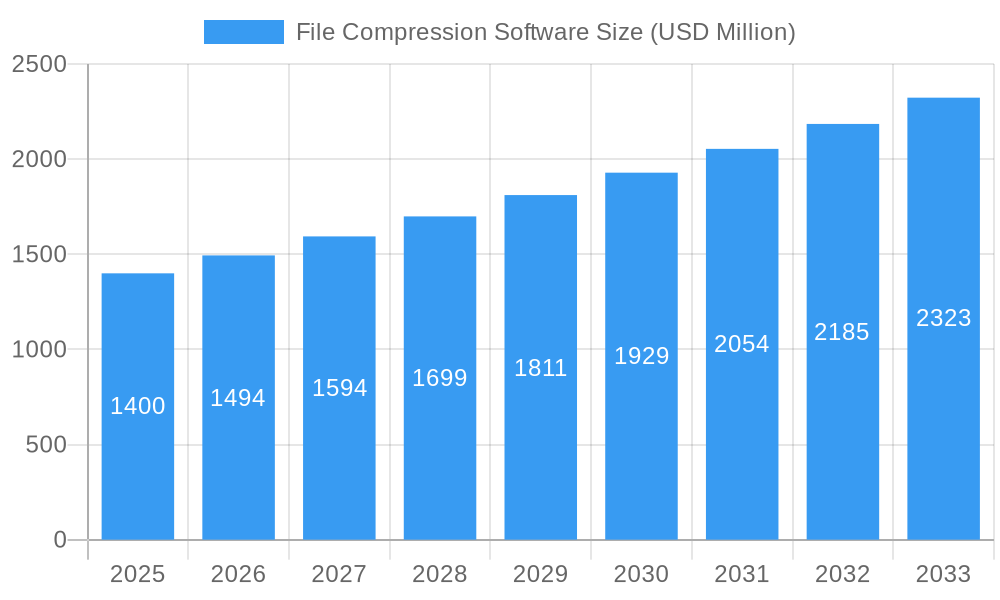
File Compression Software Company Market Share
File Compression Software Market Dynamics & Structure
The global File Compression Software market exhibits a moderately concentrated landscape, with established players like Corel, WinRAR, 7-Zip, PKWARE, and PeaZip holding significant market share. Technological innovation is primarily driven by the demand for increased storage efficiency, faster data transfer, and enhanced security features. Regulatory frameworks are generally supportive, with an emphasis on data privacy and intellectual property rights, though varying regional compliance requirements can present a challenge. Competitive product substitutes, such as cloud storage solutions and native OS compression tools, exert pressure, necessitating continuous feature development and cost optimization by dedicated file compression software providers. End-user demographics span individual users seeking space-saving solutions to enterprises requiring robust data management capabilities. Mergers and Acquisitions (M&A) trends are steady, with larger entities acquiring innovative startups to bolster their product portfolios or expand their market reach. The current M&A deal volume is estimated to be around 0.5 billion units. Innovation barriers include the high cost of R&D, the maturity of existing compression algorithms, and the challenge of differentiating in a crowded market.
- Market Concentration: Moderately concentrated with key players.
- Technological Drivers: Storage efficiency, data transfer speed, security.
- Regulatory Influence: Data privacy, varying regional compliance.
- Competitive Landscape: Cloud storage, native OS tools.
- End-User Diversity: Individual consumers to large enterprises.
- M&A Activity: Steady, driven by portfolio expansion and market reach.
- Innovation Barriers: R&D costs, algorithm maturity, market differentiation.
File Compression Software Growth Trends & Insights
The File Compression Software market is poised for robust growth, projected to expand from an estimated $2.8 billion in 2024 to $4.5 billion by 2033, exhibiting a Compound Annual Growth Rate (CAGR) of approximately 5.5%. This expansion is fueled by an escalating volume of digital data generated across personal and professional spheres, coupled with the increasing adoption of mobile devices and tablets, which often have limited storage capacities. Consumer behavior is shifting towards prioritizing efficient data management, driving higher adoption rates for intuitive and feature-rich compression solutions. Technological disruptions, such as the development of more advanced compression algorithms that offer superior compression ratios with minimal performance impact, are key enablers of this growth. Furthermore, the rising demand for secure data archiving and faster sharing of large files in remote work environments are significant market penetration drivers. The market's penetration is estimated to reach 75% by 2033.
The historical period from 2019 to 2024 witnessed a steady upward trajectory, driven by the proliferation of smartphones and the increasing reliance on digital content. This period saw a market size increase from $2.0 billion in 2019 to $2.8 billion in 2024, demonstrating a healthy CAGR of 6.8%. The base year of 2025 is estimated to reach $3.0 billion, setting a strong foundation for future expansion. The estimated year of 2025 confirms this positive trend, with projected market value around $3.0 billion. The forecast period from 2025 to 2033 is expected to see sustained growth, albeit at a slightly moderated pace compared to the initial surge, reflecting market maturity and the ongoing influence of cloud-based alternatives. However, the core utility of on-device and on-demand file compression remains indispensable for many user segments.
The increasing affordability of digital storage devices has, to some extent, offset the need for aggressive compression for basic storage needs. However, the exponential growth in video, high-resolution images, and complex software installations continues to necessitate effective compression solutions. The emergence of AI-powered compression techniques, which can adapt compression ratios based on file content and user needs, represents a significant technological disruption on the horizon. The focus for many users is no longer solely on reducing file size but also on maintaining file integrity and enabling quick decompression. This consumer behavior shift is compelling software developers to integrate more intelligent and user-friendly compression functionalities. The overall market size evolution is a testament to the enduring relevance of file compression in managing the digital deluge, with new innovations continuously revitalizing its appeal.
Dominant Regions, Countries, or Segments in File Compression Software
The PC segment within Application for File Compression Software is the undisputed dominant force driving market growth, with an estimated market share of 65% in 2025. This dominance is underpinned by the enduring widespread use of personal computers for a vast array of tasks, from professional work and content creation to gaming and education. The continuous evolution of PC hardware and software, including the increasing size of applications, operating system updates, and the growing popularity of high-definition media, all contribute to a sustained demand for efficient file compression. Countries with robust PC penetration and a significant presence of IT industries, such as the United States, China, Germany, and Japan, are key contributors to this segment's dominance. Economic policies in these regions often support technological adoption and digital infrastructure development, further bolstering PC usage and, consequently, the demand for file compression software.
The Windows operating system within the Type segment also commands a substantial lead, accounting for an estimated 70% of the market share in 2025. This is directly attributable to Windows' pervasive presence in both consumer and enterprise environments globally. The vast installed base of Windows machines creates a consistent and large-scale demand for compatible file compression utilities. Key drivers include the need for seamless integration with the Windows ecosystem, compatibility with a wide range of file formats, and the availability of both free and commercial solutions tailored for the platform. Economic growth and digital transformation initiatives in emerging economies are also contributing to the increasing adoption of Windows PCs, thereby expanding the user base for file compression software.
- Dominant Application Segment: PC (estimated 65% market share in 2025)
- Key Drivers: Widespread PC usage, large application/OS file sizes, high-definition media.
- Leading Countries: United States, China, Germany, Japan.
- Economic Factors: Pro-technology policies, digital infrastructure.
- Dominant Type Segment: Windows (estimated 70% market share in 2025)
- Key Drivers: Pervasive OS presence (consumer & enterprise), ecosystem integration, broad file format support.
- Growth Potential: Emerging economies' increasing PC adoption.
- Growth Potential in Other Segments: While PC and Windows dominate, the Tablets & Mobile Phone segment, particularly Android, is showing significant growth potential, driven by increasing smartphone capabilities and storage constraints. The market share for Android is projected to grow from 15% in 2025 to 25% by 2033.
File Compression Software Product Landscape
The File Compression Software product landscape is characterized by continuous innovation focused on enhanced compression ratios, speed, and security. Leading solutions like WinRAR, 7-Zip, and PKWARE consistently introduce new features such as multi-volume archives, advanced encryption standards (e.g., AES-256), and support for a wider array of file formats. PeaZip distinguishes itself with its user-friendly interface and a strong emphasis on open-source principles and security. Corel, with its broader software suite, often integrates compression functionalities that complement its primary offerings. Unique selling propositions include cross-platform compatibility, cloud integration, and specialized tools for batch processing and automated compression workflows. Technological advancements are focusing on leveraging AI for intelligent compression and improving performance on modern multi-core processors.
Key Drivers, Barriers & Challenges in File Compression Software
Key Drivers:
- Exponential Data Growth: The ever-increasing volume of digital content necessitates efficient storage and transfer solutions.
- Cloud Storage Integration: While cloud storage is prevalent, compressed files reduce upload/download times and storage costs.
- Mobile Device Constraints: Limited storage on smartphones and tablets drives demand for compression tools.
- Remote Work and Collaboration: Facilitates faster sharing of large files among distributed teams.
- Cost Optimization: For businesses, reducing storage and bandwidth costs is a primary driver.
Barriers & Challenges:
- Market Saturation: A highly competitive market with many established and free alternatives.
- Perceived Obsolescence: Some users view compression as less critical with the advent of cheaper, larger storage.
- Security Concerns: User apprehension regarding the security of compressed and encrypted files.
- Performance Trade-offs: Balancing compression ratios with decompression speed and resource usage.
- Evolving File Formats: The need to constantly update software to support new and proprietary file types.
- Regulatory Compliance: Adhering to diverse data privacy regulations across different regions.
Emerging Opportunities in File Compression Software
Emerging opportunities lie in the development of AI-powered adaptive compression that dynamically optimizes compression based on file content and user requirements. The integration of blockchain technology for secure, verifiable file archiving presents a significant untapped market. There's also a growing demand for specialized compression solutions for niche industries, such as scientific research data, medical imaging, and large-scale gaming assets. The increasing prevalence of IoT devices with limited resources also opens avenues for lightweight, efficient compression algorithms. Furthermore, subscription-based models offering advanced features, cloud synchronization, and priority support are gaining traction.
Growth Accelerators in the File Compression Software Industry
Growth accelerators in the File Compression Software industry are primarily driven by technological breakthroughs in compression algorithms that promise higher efficiency and speed. Strategic partnerships between software providers and hardware manufacturers can embed compression capabilities at the device level, expanding reach. The market expansion strategies of companies targeting emerging economies with tailored, affordable solutions will also be a significant growth catalyst. Continuous product innovation, focusing on user experience and integration with popular cloud services and productivity suites, will further fuel adoption and retention.
Key Players Shaping the File Compression Software Market
- Corel
- WinRAR
- 7-Zip
- PKWARE
- PeaZip
- Qihoo 360
- Shanghai 2345 Mobile Technology
Notable Milestones in File Compression Software Sector
- 1993: Release of PKZIP 2.0, popularizing the ZIP format.
- 1995: Launch of WinZip, becoming a dominant commercial compression tool.
- 1999: Release of 7-Zip, introducing the open-source 7z format with high compression ratios.
- 2004: Release of WinRAR 3.x, introducing advanced features and widespread adoption.
- 2009: PeaZip introduced as a free, open-source file archiver with a focus on security.
- 2018: Qihoo 360 launches enhanced compression features within its security suite, targeting mobile users.
- 2020: Shanghai 2345 Mobile Technology expands its offerings with integrated file management and compression tools for Android.
- 2022: Corel acquires a suite of file management and utility software, potentially integrating advanced compression features.
In-Depth File Compression Software Market Outlook
The File Compression Software market outlook remains highly positive, propelled by a confluence of sustained data growth and ongoing technological advancements. The adoption of advanced compression algorithms and AI-driven solutions will be critical for maintaining market relevance and driving future growth. Strategic collaborations and focused market expansion into burgeoning digital economies offer significant opportunities. The continuous evolution of digital content and the persistent need for efficient data management ensure that file compression software will remain an indispensable tool, with a projected market value reaching $4.5 billion by 2033.
File Compression Software Segmentation
-
1. Application
- 1.1. PC
- 1.2. Tablets & Mobile Phone
-
2. Type
- 2.1. Windows
- 2.2. macOS
- 2.3. Android
- 2.4. Others
File Compression Software Segmentation By Geography
-
1. North America
- 1.1. United States
- 1.2. Canada
- 1.3. Mexico
-
2. South America
- 2.1. Brazil
- 2.2. Argentina
- 2.3. Rest of South America
-
3. Europe
- 3.1. United Kingdom
- 3.2. Germany
- 3.3. France
- 3.4. Italy
- 3.5. Spain
- 3.6. Russia
- 3.7. Benelux
- 3.8. Nordics
- 3.9. Rest of Europe
-
4. Middle East & Africa
- 4.1. Turkey
- 4.2. Israel
- 4.3. GCC
- 4.4. North Africa
- 4.5. South Africa
- 4.6. Rest of Middle East & Africa
-
5. Asia Pacific
- 5.1. China
- 5.2. India
- 5.3. Japan
- 5.4. South Korea
- 5.5. ASEAN
- 5.6. Oceania
- 5.7. Rest of Asia Pacific
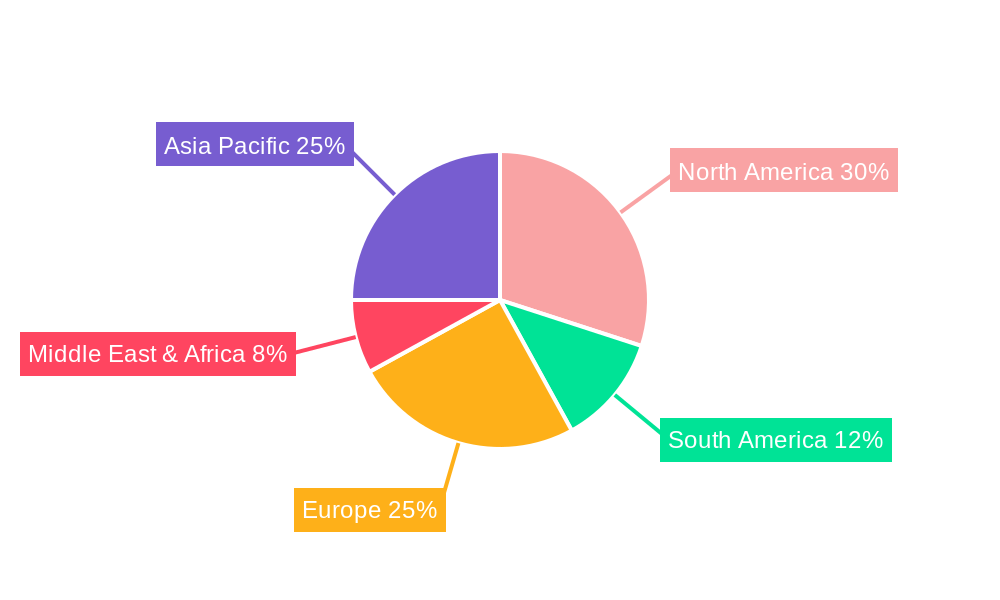
File Compression Software Regional Market Share
Geographic Coverage of File Compression Software
File Compression Software REPORT HIGHLIGHTS
| Aspects | Details |
|---|---|
| Study Period | 2020-2034 |
| Base Year | 2025 |
| Estimated Year | 2026 |
| Forecast Period | 2026-2034 |
| Historical Period | 2020-2025 |
| Growth Rate | CAGR of 6.7% from 2020-2034 |
| Segmentation |
|
Table of Contents
- 1. Introduction
- 1.1. Research Scope
- 1.2. Market Segmentation
- 1.3. Research Methodology
- 1.4. Definitions and Assumptions
- 2. Executive Summary
- 2.1. Introduction
- 3. Market Dynamics
- 3.1. Introduction
- 3.2. Market Drivers
- 3.3. Market Restrains
- 3.4. Market Trends
- 4. Market Factor Analysis
- 4.1. Porters Five Forces
- 4.2. Supply/Value Chain
- 4.3. PESTEL analysis
- 4.4. Market Entropy
- 4.5. Patent/Trademark Analysis
- 5. Global File Compression Software Analysis, Insights and Forecast, 2020-2032
- 5.1. Market Analysis, Insights and Forecast - by Application
- 5.1.1. PC
- 5.1.2. Tablets & Mobile Phone
- 5.2. Market Analysis, Insights and Forecast - by Type
- 5.2.1. Windows
- 5.2.2. macOS
- 5.2.3. Android
- 5.2.4. Others
- 5.3. Market Analysis, Insights and Forecast - by Region
- 5.3.1. North America
- 5.3.2. South America
- 5.3.3. Europe
- 5.3.4. Middle East & Africa
- 5.3.5. Asia Pacific
- 5.1. Market Analysis, Insights and Forecast - by Application
- 6. North America File Compression Software Analysis, Insights and Forecast, 2020-2032
- 6.1. Market Analysis, Insights and Forecast - by Application
- 6.1.1. PC
- 6.1.2. Tablets & Mobile Phone
- 6.2. Market Analysis, Insights and Forecast - by Type
- 6.2.1. Windows
- 6.2.2. macOS
- 6.2.3. Android
- 6.2.4. Others
- 6.1. Market Analysis, Insights and Forecast - by Application
- 7. South America File Compression Software Analysis, Insights and Forecast, 2020-2032
- 7.1. Market Analysis, Insights and Forecast - by Application
- 7.1.1. PC
- 7.1.2. Tablets & Mobile Phone
- 7.2. Market Analysis, Insights and Forecast - by Type
- 7.2.1. Windows
- 7.2.2. macOS
- 7.2.3. Android
- 7.2.4. Others
- 7.1. Market Analysis, Insights and Forecast - by Application
- 8. Europe File Compression Software Analysis, Insights and Forecast, 2020-2032
- 8.1. Market Analysis, Insights and Forecast - by Application
- 8.1.1. PC
- 8.1.2. Tablets & Mobile Phone
- 8.2. Market Analysis, Insights and Forecast - by Type
- 8.2.1. Windows
- 8.2.2. macOS
- 8.2.3. Android
- 8.2.4. Others
- 8.1. Market Analysis, Insights and Forecast - by Application
- 9. Middle East & Africa File Compression Software Analysis, Insights and Forecast, 2020-2032
- 9.1. Market Analysis, Insights and Forecast - by Application
- 9.1.1. PC
- 9.1.2. Tablets & Mobile Phone
- 9.2. Market Analysis, Insights and Forecast - by Type
- 9.2.1. Windows
- 9.2.2. macOS
- 9.2.3. Android
- 9.2.4. Others
- 9.1. Market Analysis, Insights and Forecast - by Application
- 10. Asia Pacific File Compression Software Analysis, Insights and Forecast, 2020-2032
- 10.1. Market Analysis, Insights and Forecast - by Application
- 10.1.1. PC
- 10.1.2. Tablets & Mobile Phone
- 10.2. Market Analysis, Insights and Forecast - by Type
- 10.2.1. Windows
- 10.2.2. macOS
- 10.2.3. Android
- 10.2.4. Others
- 10.1. Market Analysis, Insights and Forecast - by Application
- 11. Competitive Analysis
- 11.1. Global Market Share Analysis 2025
- 11.2. Company Profiles
- 11.2.1 Corel
- 11.2.1.1. Overview
- 11.2.1.2. Products
- 11.2.1.3. SWOT Analysis
- 11.2.1.4. Recent Developments
- 11.2.1.5. Financials (Based on Availability)
- 11.2.2 WinRAR
- 11.2.2.1. Overview
- 11.2.2.2. Products
- 11.2.2.3. SWOT Analysis
- 11.2.2.4. Recent Developments
- 11.2.2.5. Financials (Based on Availability)
- 11.2.3 7-Zip
- 11.2.3.1. Overview
- 11.2.3.2. Products
- 11.2.3.3. SWOT Analysis
- 11.2.3.4. Recent Developments
- 11.2.3.5. Financials (Based on Availability)
- 11.2.4 PKWARE
- 11.2.4.1. Overview
- 11.2.4.2. Products
- 11.2.4.3. SWOT Analysis
- 11.2.4.4. Recent Developments
- 11.2.4.5. Financials (Based on Availability)
- 11.2.5 PeaZip
- 11.2.5.1. Overview
- 11.2.5.2. Products
- 11.2.5.3. SWOT Analysis
- 11.2.5.4. Recent Developments
- 11.2.5.5. Financials (Based on Availability)
- 11.2.6 Qihoo 360
- 11.2.6.1. Overview
- 11.2.6.2. Products
- 11.2.6.3. SWOT Analysis
- 11.2.6.4. Recent Developments
- 11.2.6.5. Financials (Based on Availability)
- 11.2.7 Shanghai 2345 Mobile Technology
- 11.2.7.1. Overview
- 11.2.7.2. Products
- 11.2.7.3. SWOT Analysis
- 11.2.7.4. Recent Developments
- 11.2.7.5. Financials (Based on Availability)
- 11.2.1 Corel
List of Figures
- Figure 1: Global File Compression Software Revenue Breakdown (undefined, %) by Region 2025 & 2033
- Figure 2: North America File Compression Software Revenue (undefined), by Application 2025 & 2033
- Figure 3: North America File Compression Software Revenue Share (%), by Application 2025 & 2033
- Figure 4: North America File Compression Software Revenue (undefined), by Type 2025 & 2033
- Figure 5: North America File Compression Software Revenue Share (%), by Type 2025 & 2033
- Figure 6: North America File Compression Software Revenue (undefined), by Country 2025 & 2033
- Figure 7: North America File Compression Software Revenue Share (%), by Country 2025 & 2033
- Figure 8: South America File Compression Software Revenue (undefined), by Application 2025 & 2033
- Figure 9: South America File Compression Software Revenue Share (%), by Application 2025 & 2033
- Figure 10: South America File Compression Software Revenue (undefined), by Type 2025 & 2033
- Figure 11: South America File Compression Software Revenue Share (%), by Type 2025 & 2033
- Figure 12: South America File Compression Software Revenue (undefined), by Country 2025 & 2033
- Figure 13: South America File Compression Software Revenue Share (%), by Country 2025 & 2033
- Figure 14: Europe File Compression Software Revenue (undefined), by Application 2025 & 2033
- Figure 15: Europe File Compression Software Revenue Share (%), by Application 2025 & 2033
- Figure 16: Europe File Compression Software Revenue (undefined), by Type 2025 & 2033
- Figure 17: Europe File Compression Software Revenue Share (%), by Type 2025 & 2033
- Figure 18: Europe File Compression Software Revenue (undefined), by Country 2025 & 2033
- Figure 19: Europe File Compression Software Revenue Share (%), by Country 2025 & 2033
- Figure 20: Middle East & Africa File Compression Software Revenue (undefined), by Application 2025 & 2033
- Figure 21: Middle East & Africa File Compression Software Revenue Share (%), by Application 2025 & 2033
- Figure 22: Middle East & Africa File Compression Software Revenue (undefined), by Type 2025 & 2033
- Figure 23: Middle East & Africa File Compression Software Revenue Share (%), by Type 2025 & 2033
- Figure 24: Middle East & Africa File Compression Software Revenue (undefined), by Country 2025 & 2033
- Figure 25: Middle East & Africa File Compression Software Revenue Share (%), by Country 2025 & 2033
- Figure 26: Asia Pacific File Compression Software Revenue (undefined), by Application 2025 & 2033
- Figure 27: Asia Pacific File Compression Software Revenue Share (%), by Application 2025 & 2033
- Figure 28: Asia Pacific File Compression Software Revenue (undefined), by Type 2025 & 2033
- Figure 29: Asia Pacific File Compression Software Revenue Share (%), by Type 2025 & 2033
- Figure 30: Asia Pacific File Compression Software Revenue (undefined), by Country 2025 & 2033
- Figure 31: Asia Pacific File Compression Software Revenue Share (%), by Country 2025 & 2033
List of Tables
- Table 1: Global File Compression Software Revenue undefined Forecast, by Application 2020 & 2033
- Table 2: Global File Compression Software Revenue undefined Forecast, by Type 2020 & 2033
- Table 3: Global File Compression Software Revenue undefined Forecast, by Region 2020 & 2033
- Table 4: Global File Compression Software Revenue undefined Forecast, by Application 2020 & 2033
- Table 5: Global File Compression Software Revenue undefined Forecast, by Type 2020 & 2033
- Table 6: Global File Compression Software Revenue undefined Forecast, by Country 2020 & 2033
- Table 7: United States File Compression Software Revenue (undefined) Forecast, by Application 2020 & 2033
- Table 8: Canada File Compression Software Revenue (undefined) Forecast, by Application 2020 & 2033
- Table 9: Mexico File Compression Software Revenue (undefined) Forecast, by Application 2020 & 2033
- Table 10: Global File Compression Software Revenue undefined Forecast, by Application 2020 & 2033
- Table 11: Global File Compression Software Revenue undefined Forecast, by Type 2020 & 2033
- Table 12: Global File Compression Software Revenue undefined Forecast, by Country 2020 & 2033
- Table 13: Brazil File Compression Software Revenue (undefined) Forecast, by Application 2020 & 2033
- Table 14: Argentina File Compression Software Revenue (undefined) Forecast, by Application 2020 & 2033
- Table 15: Rest of South America File Compression Software Revenue (undefined) Forecast, by Application 2020 & 2033
- Table 16: Global File Compression Software Revenue undefined Forecast, by Application 2020 & 2033
- Table 17: Global File Compression Software Revenue undefined Forecast, by Type 2020 & 2033
- Table 18: Global File Compression Software Revenue undefined Forecast, by Country 2020 & 2033
- Table 19: United Kingdom File Compression Software Revenue (undefined) Forecast, by Application 2020 & 2033
- Table 20: Germany File Compression Software Revenue (undefined) Forecast, by Application 2020 & 2033
- Table 21: France File Compression Software Revenue (undefined) Forecast, by Application 2020 & 2033
- Table 22: Italy File Compression Software Revenue (undefined) Forecast, by Application 2020 & 2033
- Table 23: Spain File Compression Software Revenue (undefined) Forecast, by Application 2020 & 2033
- Table 24: Russia File Compression Software Revenue (undefined) Forecast, by Application 2020 & 2033
- Table 25: Benelux File Compression Software Revenue (undefined) Forecast, by Application 2020 & 2033
- Table 26: Nordics File Compression Software Revenue (undefined) Forecast, by Application 2020 & 2033
- Table 27: Rest of Europe File Compression Software Revenue (undefined) Forecast, by Application 2020 & 2033
- Table 28: Global File Compression Software Revenue undefined Forecast, by Application 2020 & 2033
- Table 29: Global File Compression Software Revenue undefined Forecast, by Type 2020 & 2033
- Table 30: Global File Compression Software Revenue undefined Forecast, by Country 2020 & 2033
- Table 31: Turkey File Compression Software Revenue (undefined) Forecast, by Application 2020 & 2033
- Table 32: Israel File Compression Software Revenue (undefined) Forecast, by Application 2020 & 2033
- Table 33: GCC File Compression Software Revenue (undefined) Forecast, by Application 2020 & 2033
- Table 34: North Africa File Compression Software Revenue (undefined) Forecast, by Application 2020 & 2033
- Table 35: South Africa File Compression Software Revenue (undefined) Forecast, by Application 2020 & 2033
- Table 36: Rest of Middle East & Africa File Compression Software Revenue (undefined) Forecast, by Application 2020 & 2033
- Table 37: Global File Compression Software Revenue undefined Forecast, by Application 2020 & 2033
- Table 38: Global File Compression Software Revenue undefined Forecast, by Type 2020 & 2033
- Table 39: Global File Compression Software Revenue undefined Forecast, by Country 2020 & 2033
- Table 40: China File Compression Software Revenue (undefined) Forecast, by Application 2020 & 2033
- Table 41: India File Compression Software Revenue (undefined) Forecast, by Application 2020 & 2033
- Table 42: Japan File Compression Software Revenue (undefined) Forecast, by Application 2020 & 2033
- Table 43: South Korea File Compression Software Revenue (undefined) Forecast, by Application 2020 & 2033
- Table 44: ASEAN File Compression Software Revenue (undefined) Forecast, by Application 2020 & 2033
- Table 45: Oceania File Compression Software Revenue (undefined) Forecast, by Application 2020 & 2033
- Table 46: Rest of Asia Pacific File Compression Software Revenue (undefined) Forecast, by Application 2020 & 2033
Frequently Asked Questions
1. What is the projected Compound Annual Growth Rate (CAGR) of the File Compression Software?
The projected CAGR is approximately 6.7%.
2. Which companies are prominent players in the File Compression Software?
Key companies in the market include Corel, WinRAR, 7-Zip, PKWARE, PeaZip, Qihoo 360, Shanghai 2345 Mobile Technology.
3. What are the main segments of the File Compression Software?
The market segments include Application, Type.
4. Can you provide details about the market size?
The market size is estimated to be USD XXX N/A as of 2022.
5. What are some drivers contributing to market growth?
N/A
6. What are the notable trends driving market growth?
N/A
7. Are there any restraints impacting market growth?
N/A
8. Can you provide examples of recent developments in the market?
N/A
9. What pricing options are available for accessing the report?
Pricing options include single-user, multi-user, and enterprise licenses priced at USD 2900.00, USD 4350.00, and USD 5800.00 respectively.
10. Is the market size provided in terms of value or volume?
The market size is provided in terms of value, measured in N/A.
11. Are there any specific market keywords associated with the report?
Yes, the market keyword associated with the report is "File Compression Software," which aids in identifying and referencing the specific market segment covered.
12. How do I determine which pricing option suits my needs best?
The pricing options vary based on user requirements and access needs. Individual users may opt for single-user licenses, while businesses requiring broader access may choose multi-user or enterprise licenses for cost-effective access to the report.
13. Are there any additional resources or data provided in the File Compression Software report?
While the report offers comprehensive insights, it's advisable to review the specific contents or supplementary materials provided to ascertain if additional resources or data are available.
14. How can I stay updated on further developments or reports in the File Compression Software?
To stay informed about further developments, trends, and reports in the File Compression Software, consider subscribing to industry newsletters, following relevant companies and organizations, or regularly checking reputable industry news sources and publications.
Methodology
Step 1 - Identification of Relevant Samples Size from Population Database



Step 2 - Approaches for Defining Global Market Size (Value, Volume* & Price*)

Note*: In applicable scenarios
Step 3 - Data Sources
Primary Research
- Web Analytics
- Survey Reports
- Research Institute
- Latest Research Reports
- Opinion Leaders
Secondary Research
- Annual Reports
- White Paper
- Latest Press Release
- Industry Association
- Paid Database
- Investor Presentations

Step 4 - Data Triangulation
Involves using different sources of information in order to increase the validity of a study
These sources are likely to be stakeholders in a program - participants, other researchers, program staff, other community members, and so on.
Then we put all data in single framework & apply various statistical tools to find out the dynamic on the market.
During the analysis stage, feedback from the stakeholder groups would be compared to determine areas of agreement as well as areas of divergence