

Key Insights
The global Automatic Curtain Opener market is experiencing robust growth, projected to reach an estimated USD 1,500 million by 2025, with a Compound Annual Growth Rate (CAGR) of approximately 12% for the forecast period of 2025-2033. This upward trajectory is primarily driven by an increasing consumer demand for enhanced home automation and convenience, coupled with the growing adoption of smart home technologies across residential and commercial spaces. The convenience of remotely controlling curtains, coupled with the ability to integrate them with other smart home ecosystems, is a significant catalyst. Furthermore, the rising awareness of energy efficiency, where automated curtains can optimize natural light and reduce reliance on artificial lighting and HVAC systems, is also contributing to market expansion. The market is further bolstered by technological advancements leading to more sophisticated and user-friendly automatic curtain openers, including those with advanced scheduling, voice control, and integration capabilities with popular smart assistants.
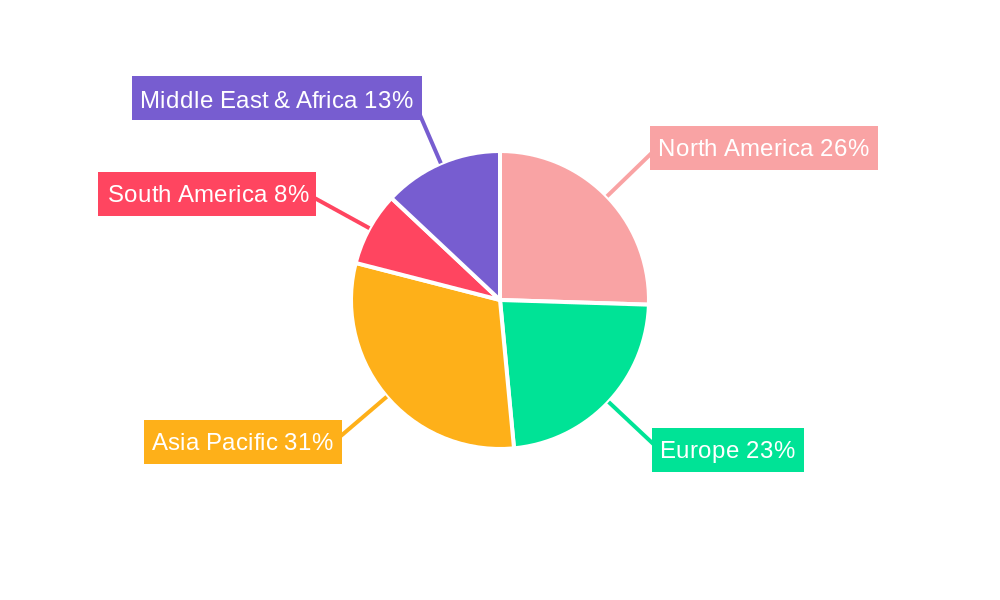
The market is segmented into two primary types: Motor Curtain Openers and Smart Curtain Openers, with the latter segment expected to witness faster growth due to its superior connectivity and advanced features. Applications span across both Household and Commercial sectors, with significant potential in hotels, offices, and retail spaces looking to enhance ambiance and operational efficiency. Key industry players like SwitchBot, Aqara, Somfy, and Tuya are actively innovating, introducing new products and expanding their market reach. Geographically, the Asia Pacific region, particularly China and India, is emerging as a significant growth engine due to rapid urbanization, increasing disposable incomes, and a burgeoning smart home market. North America and Europe remain mature markets, driven by established smart home infrastructure and a high consumer adoption rate for convenience-driven technologies. Challenges such as the initial cost of installation for some advanced systems and the need for greater consumer education regarding the benefits of automation are being addressed through continuous product development and strategic marketing efforts.
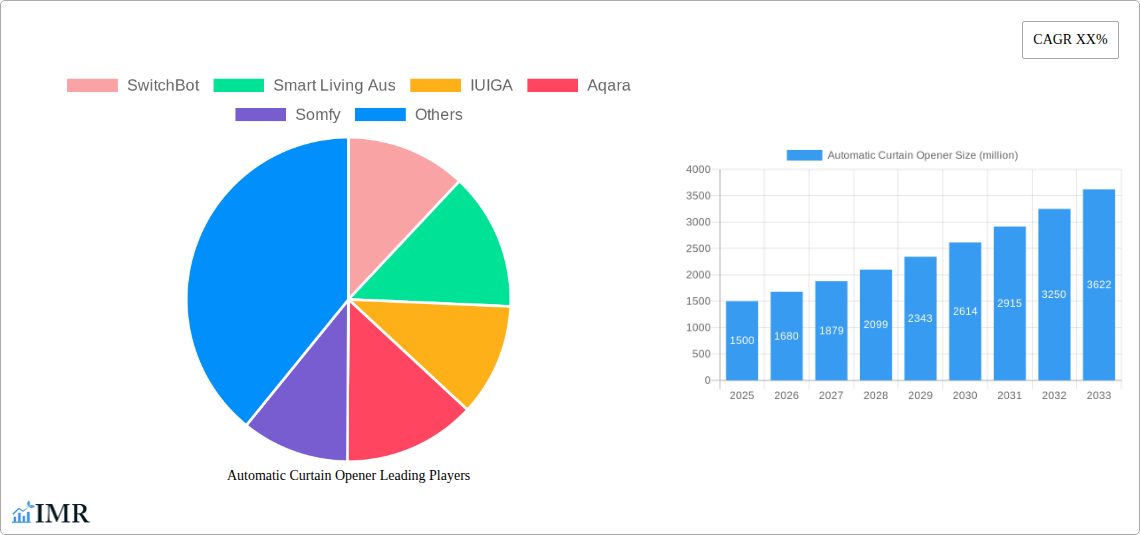
Automatic Curtain Opener Market Report: Dynamics, Growth, and Future Outlook
This comprehensive report provides an in-depth analysis of the global Automatic Curtain Opener market, covering its present state, historical trends, and future projections. Leveraging extensive research and market intelligence, this report is designed to equip industry stakeholders with actionable insights for strategic decision-making. The study encompasses a detailed examination of market dynamics, growth trajectories, regional dominance, product innovations, key drivers, emerging opportunities, and the competitive landscape.
Automatic Curtain Opener Market Dynamics & Structure
The Automatic Curtain Opener market exhibits a moderately consolidated structure, with a few key players like Somfy, Aqara, and SwitchBot holding significant market shares. Technological innovation serves as a primary driver, with continuous advancements in smart home integration, voice control compatibility (e.g., Alexa, Google Assistant), and energy-efficient motor technologies fueling adoption. Regulatory frameworks primarily revolve around product safety standards and electromagnetic compatibility, ensuring consumer trust and market integrity. Competitive product substitutes include traditional manual curtain systems and basic motorized solutions without smart capabilities. End-user demographics are increasingly skewed towards tech-savvy homeowners and individuals seeking convenience and enhanced living experiences, as well as commercial entities prioritizing automation and energy management in hospitality and office spaces. Mergers and acquisitions (M&A) trends are present, indicating a strategic consolidation to expand product portfolios and market reach. For instance, a predicted xx million unit M&A volume is anticipated during the forecast period, reflecting ongoing industry evolution. Innovation barriers include the initial cost of smart systems for some consumer segments and the need for standardized interoperability across different smart home ecosystems.
- Market Concentration: Moderate, with key players dominating specific segments.
- Technological Innovation Drivers: Smart home integration, voice control, energy efficiency.
- Regulatory Frameworks: Product safety, EMC standards.
- Competitive Product Substitutes: Manual curtains, basic motorized openers.
- End-User Demographics: Tech-savvy homeowners, convenience seekers, commercial establishments.
- M&A Trends: Strategic consolidation for portfolio expansion and market reach.
Automatic Curtain Opener Growth Trends & Insights
The Automatic Curtain Opener market is poised for robust growth, projected to expand significantly over the forecast period of 2025–2033. This expansion is driven by a confluence of factors including increasing disposable incomes, a growing preference for smart home automation, and a rising awareness of energy conservation benefits. The market size, estimated at xx million units in the base year of 2025, is expected to witness a Compound Annual Growth Rate (CAGR) of xx% during the study period. Adoption rates for automatic curtain openers are steadily increasing, particularly in urban and suburban households where smart home technology is becoming more prevalent. Technological disruptions, such as the miniaturization of motors, enhancement of battery life, and the development of more intuitive user interfaces, are making these devices more accessible and appealing. Consumer behavior shifts towards convenience-driven purchases and an emphasis on lifestyle enhancements further bolster market penetration. The integration of AI and IoT capabilities is also paving the way for more sophisticated functionalities, such as personalized scheduling based on sunlight patterns and occupancy detection, thereby increasing the perceived value proposition. The increasing adoption of smart home hubs and ecosystems, which provide seamless integration for devices like automatic curtain openers, is a critical factor in this upward trend. Moreover, the burgeoning e-commerce landscape facilitates wider product availability and consumer access, irrespective of geographical limitations. The growing trend of smart building development in commercial sectors, including hotels and offices, further contributes to the demand for automated window treatments.
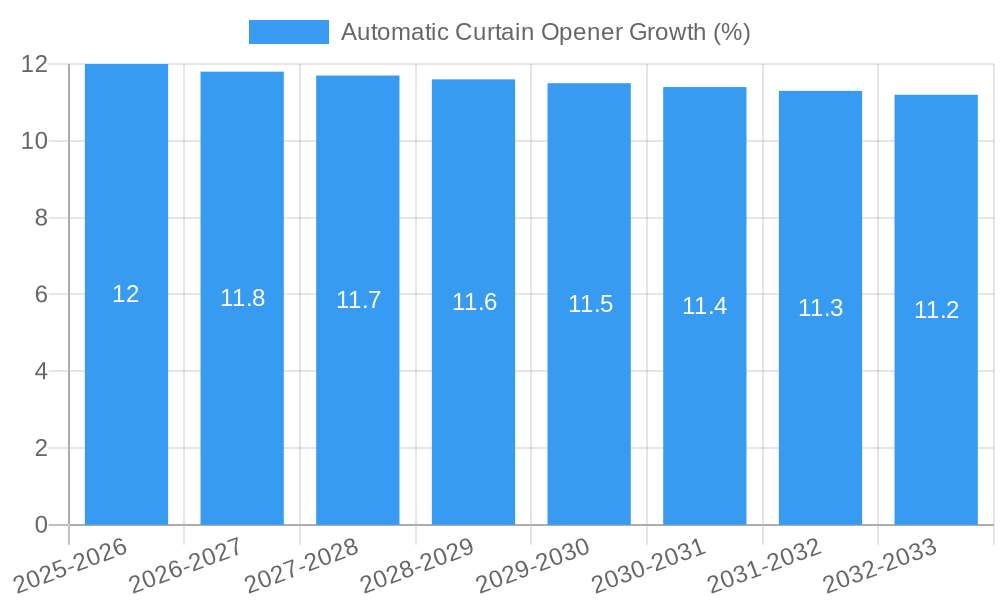
Dominant Regions, Countries, or Segments in Automatic Curtain Opener
North America is emerging as a dominant region in the Automatic Curtain Opener market, driven by a high propensity for adopting smart home technologies, strong economic policies supporting technological innovation, and well-established infrastructure for smart living. The United States, in particular, accounts for a substantial market share within this region, characterized by a high concentration of early adopters and a significant disposable income base. The Household application segment, encompassing residential properties, is the primary driver of growth, owing to the increasing demand for convenience, security, and energy efficiency among homeowners. The Smart Curtain Opener type is experiencing more rapid growth than traditional Motor Curtain Openers due to its advanced features, including app control, voice integration, and automation capabilities, appealing to a wider demographic.
- Dominant Region: North America (led by the United States)
- Key Segment by Application: Household
- Dominant Segment by Type: Smart Curtain Opener
- Drivers in North America: High smart home adoption, disposable income, robust infrastructure.
- Drivers in Household Segment: Demand for convenience, security, energy savings.
- Drivers for Smart Curtain Openers: Advanced features, app/voice control, broader appeal.
- Market Share (North America): Estimated at xx% of global market in 2025.
- Growth Potential: Significant, fueled by ongoing smart home integration.
- Commercial Application Growth: Steadily increasing, particularly in hospitality and modern office spaces.
Automatic Curtain Opener Product Landscape
The Automatic Curtain Opener product landscape is characterized by a strong emphasis on innovation, focusing on enhanced user experience and seamless integration. Product innovations include quieter motor technologies, longer battery life for wireless models, and more robust connectivity options such as Wi-Fi and Bluetooth. Applications range from simple remote-controlled operation to sophisticated smart home scenarios where curtains can automatically adjust based on time of day, ambient light, or occupancy. Performance metrics are continually improving, with faster opening/closing speeds and higher load capacities to accommodate various curtain types. Unique selling propositions often revolve around ease of installation, compatibility with major smart home ecosystems like Apple HomeKit, Google Home, and Amazon Alexa, and advanced features like granular control over opening percentages.
Key Drivers, Barriers & Challenges in Automatic Curtain Opener
The Automatic Curtain Opener market is propelled by several key drivers. The escalating adoption of smart home technology, driven by consumer demand for convenience and automation, is a primary catalyst. Technological advancements in motor efficiency and wireless connectivity further enhance product appeal. Government initiatives promoting energy-efficient buildings also contribute positively.
Challenges for the market include the relatively high initial cost of smart curtain openers compared to manual alternatives, which can be a barrier for price-sensitive consumers. Supply chain disruptions, particularly for electronic components, can impact production and lead times. Intense competition among existing players and the emergence of new entrants also present a continuous challenge to maintain market share and profitability.
- Key Drivers: Smart home adoption, technological advancements, energy efficiency focus.
- Barriers: High initial cost, consumer price sensitivity.
- Challenges: Supply chain disruptions, competitive pressures, integration complexity.
Emerging Opportunities in Automatic Curtain Opener
Emerging opportunities lie in the expansion into developing markets where smart home adoption is on the rise, coupled with a growing middle class. Innovative applications, such as integration with home security systems to simulate occupancy, and energy management solutions that optimize natural light and reduce HVAC load, offer significant growth potential. Evolving consumer preferences for personalized home environments and a focus on accessibility for elderly or disabled individuals present further avenues for product development and market penetration. The rise of the "DIY smart home" trend also opens up opportunities for user-friendly, easily installable solutions.
Growth Accelerators in the Automatic Curtain Opener Industry
Long-term growth in the Automatic Curtain Opener industry is being accelerated by significant technological breakthroughs, including advancements in AI-powered automation and the development of ultra-low power consumption motors. Strategic partnerships between smart home ecosystem providers and curtain opener manufacturers are crucial for creating integrated and user-friendly experiences. Market expansion strategies focused on emerging economies, coupled with aggressive marketing campaigns highlighting convenience and energy savings, will further fuel adoption. The increasing trend towards retrofit smart home solutions for existing buildings, rather than just new constructions, represents a substantial growth accelerator.
Key Players Shaping the Automatic Curtain Opener Market
- SwitchBot
- Smart Living Aus
- IUIGA
- Aqara
- Somfy
- TIPIACE
- OTER(CurBot)
- osprey.life
- HiMojo
- Tuya
- Zemismart
- Curtain Call
- OlideSmart
Notable Milestones in Automatic Curtain Opener Sector
- 2019: Launch of advanced Wi-Fi enabled smart curtain motors by Somfy, enhancing remote control capabilities.
- 2020: Aqara introduces integration with Apple HomeKit, expanding its smart home ecosystem reach.
- 2021: SwitchBot releases its innovative curtain robot, offering a retrofit solution for existing curtains.
- 2022: Growing adoption of voice control integration with platforms like Amazon Alexa and Google Assistant across multiple brands.
- 2023: Increased focus on energy-efficient designs and solar-powered options by emerging players like OTER(CurBot).
- 2024: Market expansion of smart curtain openers into commercial hospitality segments for enhanced guest experience.
In-Depth Automatic Curtain Opener Market Outlook
The future outlook for the Automatic Curtain Opener market is exceptionally promising, driven by the pervasive integration of smart home technologies and a growing consumer demand for automated living. The market is expected to experience sustained growth, fueled by continuous innovation in product features, such as advanced scheduling, energy optimization capabilities, and seamless integration with other smart devices. Strategic collaborations and market expansion into previously untapped regions will further amplify this growth trajectory. The increasing focus on user-friendly installation and affordability will broaden the appeal to a wider consumer base, solidifying the Automatic Curtain Opener's position as a staple in modern, connected homes and buildings. The market is poised for significant expansion, reaching an estimated xx million units by 2033.
Automatic Curtain Opener Segmentation
-
1. Application
- 1.1. Household
- 1.2. Commercial
-
2. Types
- 2.1. Motor Curtain Opener
- 2.2. Smart Curtain Opener
Automatic Curtain Opener Segmentation By Geography
-
1. North America
- 1.1. United States
- 1.2. Canada
- 1.3. Mexico
-
2. South America
- 2.1. Brazil
- 2.2. Argentina
- 2.3. Rest of South America
-
3. Europe
- 3.1. United Kingdom
- 3.2. Germany
- 3.3. France
- 3.4. Italy
- 3.5. Spain
- 3.6. Russia
- 3.7. Benelux
- 3.8. Nordics
- 3.9. Rest of Europe
-
4. Middle East & Africa
- 4.1. Turkey
- 4.2. Israel
- 4.3. GCC
- 4.4. North Africa
- 4.5. South Africa
- 4.6. Rest of Middle East & Africa
-
5. Asia Pacific
- 5.1. China
- 5.2. India
- 5.3. Japan
- 5.4. South Korea
- 5.5. ASEAN
- 5.6. Oceania
- 5.7. Rest of Asia Pacific
Automatic Curtain Opener REPORT HIGHLIGHTS
| Aspects | Details |
|---|---|
| Study Period | 2019-2033 |
| Base Year | 2024 |
| Estimated Year | 2025 |
| Forecast Period | 2025-2033 |
| Historical Period | 2019-2024 |
| Growth Rate | CAGR of XX% from 2019-2033 |
| Segmentation |
|
Table of Contents
- 1. Introduction
- 1.1. Research Scope
- 1.2. Market Segmentation
- 1.3. Research Methodology
- 1.4. Definitions and Assumptions
- 2. Executive Summary
- 2.1. Introduction
- 3. Market Dynamics
- 3.1. Introduction
- 3.2. Market Drivers
- 3.3. Market Restrains
- 3.4. Market Trends
- 4. Market Factor Analysis
- 4.1. Porters Five Forces
- 4.2. Supply/Value Chain
- 4.3. PESTEL analysis
- 4.4. Market Entropy
- 4.5. Patent/Trademark Analysis
- 5. Global Automatic Curtain Opener Analysis, Insights and Forecast, 2019-2031
- 5.1. Market Analysis, Insights and Forecast - by Application
- 5.1.1. Household
- 5.1.2. Commercial
- 5.2. Market Analysis, Insights and Forecast - by Types
- 5.2.1. Motor Curtain Opener
- 5.2.2. Smart Curtain Opener
- 5.3. Market Analysis, Insights and Forecast - by Region
- 5.3.1. North America
- 5.3.2. South America
- 5.3.3. Europe
- 5.3.4. Middle East & Africa
- 5.3.5. Asia Pacific
- 5.1. Market Analysis, Insights and Forecast - by Application
- 6. North America Automatic Curtain Opener Analysis, Insights and Forecast, 2019-2031
- 6.1. Market Analysis, Insights and Forecast - by Application
- 6.1.1. Household
- 6.1.2. Commercial
- 6.2. Market Analysis, Insights and Forecast - by Types
- 6.2.1. Motor Curtain Opener
- 6.2.2. Smart Curtain Opener
- 6.1. Market Analysis, Insights and Forecast - by Application
- 7. South America Automatic Curtain Opener Analysis, Insights and Forecast, 2019-2031
- 7.1. Market Analysis, Insights and Forecast - by Application
- 7.1.1. Household
- 7.1.2. Commercial
- 7.2. Market Analysis, Insights and Forecast - by Types
- 7.2.1. Motor Curtain Opener
- 7.2.2. Smart Curtain Opener
- 7.1. Market Analysis, Insights and Forecast - by Application
- 8. Europe Automatic Curtain Opener Analysis, Insights and Forecast, 2019-2031
- 8.1. Market Analysis, Insights and Forecast - by Application
- 8.1.1. Household
- 8.1.2. Commercial
- 8.2. Market Analysis, Insights and Forecast - by Types
- 8.2.1. Motor Curtain Opener
- 8.2.2. Smart Curtain Opener
- 8.1. Market Analysis, Insights and Forecast - by Application
- 9. Middle East & Africa Automatic Curtain Opener Analysis, Insights and Forecast, 2019-2031
- 9.1. Market Analysis, Insights and Forecast - by Application
- 9.1.1. Household
- 9.1.2. Commercial
- 9.2. Market Analysis, Insights and Forecast - by Types
- 9.2.1. Motor Curtain Opener
- 9.2.2. Smart Curtain Opener
- 9.1. Market Analysis, Insights and Forecast - by Application
- 10. Asia Pacific Automatic Curtain Opener Analysis, Insights and Forecast, 2019-2031
- 10.1. Market Analysis, Insights and Forecast - by Application
- 10.1.1. Household
- 10.1.2. Commercial
- 10.2. Market Analysis, Insights and Forecast - by Types
- 10.2.1. Motor Curtain Opener
- 10.2.2. Smart Curtain Opener
- 10.1. Market Analysis, Insights and Forecast - by Application
- 11. Competitive Analysis
- 11.1. Global Market Share Analysis 2024
- 11.2. Company Profiles
- 11.2.1 SwitchBot
- 11.2.1.1. Overview
- 11.2.1.2. Products
- 11.2.1.3. SWOT Analysis
- 11.2.1.4. Recent Developments
- 11.2.1.5. Financials (Based on Availability)
- 11.2.2 Smart Living Aus
- 11.2.2.1. Overview
- 11.2.2.2. Products
- 11.2.2.3. SWOT Analysis
- 11.2.2.4. Recent Developments
- 11.2.2.5. Financials (Based on Availability)
- 11.2.3 IUIGA
- 11.2.3.1. Overview
- 11.2.3.2. Products
- 11.2.3.3. SWOT Analysis
- 11.2.3.4. Recent Developments
- 11.2.3.5. Financials (Based on Availability)
- 11.2.4 Aqara
- 11.2.4.1. Overview
- 11.2.4.2. Products
- 11.2.4.3. SWOT Analysis
- 11.2.4.4. Recent Developments
- 11.2.4.5. Financials (Based on Availability)
- 11.2.5 Somfy
- 11.2.5.1. Overview
- 11.2.5.2. Products
- 11.2.5.3. SWOT Analysis
- 11.2.5.4. Recent Developments
- 11.2.5.5. Financials (Based on Availability)
- 11.2.6 TIPIACE
- 11.2.6.1. Overview
- 11.2.6.2. Products
- 11.2.6.3. SWOT Analysis
- 11.2.6.4. Recent Developments
- 11.2.6.5. Financials (Based on Availability)
- 11.2.7 OTER(CurBot)
- 11.2.7.1. Overview
- 11.2.7.2. Products
- 11.2.7.3. SWOT Analysis
- 11.2.7.4. Recent Developments
- 11.2.7.5. Financials (Based on Availability)
- 11.2.8 osprey.life
- 11.2.8.1. Overview
- 11.2.8.2. Products
- 11.2.8.3. SWOT Analysis
- 11.2.8.4. Recent Developments
- 11.2.8.5. Financials (Based on Availability)
- 11.2.9 HiMojo
- 11.2.9.1. Overview
- 11.2.9.2. Products
- 11.2.9.3. SWOT Analysis
- 11.2.9.4. Recent Developments
- 11.2.9.5. Financials (Based on Availability)
- 11.2.10 Tuya
- 11.2.10.1. Overview
- 11.2.10.2. Products
- 11.2.10.3. SWOT Analysis
- 11.2.10.4. Recent Developments
- 11.2.10.5. Financials (Based on Availability)
- 11.2.11 Zemismart
- 11.2.11.1. Overview
- 11.2.11.2. Products
- 11.2.11.3. SWOT Analysis
- 11.2.11.4. Recent Developments
- 11.2.11.5. Financials (Based on Availability)
- 11.2.12 Curtain Call
- 11.2.12.1. Overview
- 11.2.12.2. Products
- 11.2.12.3. SWOT Analysis
- 11.2.12.4. Recent Developments
- 11.2.12.5. Financials (Based on Availability)
- 11.2.13 OlideSmart
- 11.2.13.1. Overview
- 11.2.13.2. Products
- 11.2.13.3. SWOT Analysis
- 11.2.13.4. Recent Developments
- 11.2.13.5. Financials (Based on Availability)
- 11.2.1 SwitchBot
List of Figures
- Figure 1: Global Automatic Curtain Opener Revenue Breakdown (million, %) by Region 2024 & 2032
- Figure 2: North America Automatic Curtain Opener Revenue (million), by Application 2024 & 2032
- Figure 3: North America Automatic Curtain Opener Revenue Share (%), by Application 2024 & 2032
- Figure 4: North America Automatic Curtain Opener Revenue (million), by Types 2024 & 2032
- Figure 5: North America Automatic Curtain Opener Revenue Share (%), by Types 2024 & 2032
- Figure 6: North America Automatic Curtain Opener Revenue (million), by Country 2024 & 2032
- Figure 7: North America Automatic Curtain Opener Revenue Share (%), by Country 2024 & 2032
- Figure 8: South America Automatic Curtain Opener Revenue (million), by Application 2024 & 2032
- Figure 9: South America Automatic Curtain Opener Revenue Share (%), by Application 2024 & 2032
- Figure 10: South America Automatic Curtain Opener Revenue (million), by Types 2024 & 2032
- Figure 11: South America Automatic Curtain Opener Revenue Share (%), by Types 2024 & 2032
- Figure 12: South America Automatic Curtain Opener Revenue (million), by Country 2024 & 2032
- Figure 13: South America Automatic Curtain Opener Revenue Share (%), by Country 2024 & 2032
- Figure 14: Europe Automatic Curtain Opener Revenue (million), by Application 2024 & 2032
- Figure 15: Europe Automatic Curtain Opener Revenue Share (%), by Application 2024 & 2032
- Figure 16: Europe Automatic Curtain Opener Revenue (million), by Types 2024 & 2032
- Figure 17: Europe Automatic Curtain Opener Revenue Share (%), by Types 2024 & 2032
- Figure 18: Europe Automatic Curtain Opener Revenue (million), by Country 2024 & 2032
- Figure 19: Europe Automatic Curtain Opener Revenue Share (%), by Country 2024 & 2032
- Figure 20: Middle East & Africa Automatic Curtain Opener Revenue (million), by Application 2024 & 2032
- Figure 21: Middle East & Africa Automatic Curtain Opener Revenue Share (%), by Application 2024 & 2032
- Figure 22: Middle East & Africa Automatic Curtain Opener Revenue (million), by Types 2024 & 2032
- Figure 23: Middle East & Africa Automatic Curtain Opener Revenue Share (%), by Types 2024 & 2032
- Figure 24: Middle East & Africa Automatic Curtain Opener Revenue (million), by Country 2024 & 2032
- Figure 25: Middle East & Africa Automatic Curtain Opener Revenue Share (%), by Country 2024 & 2032
- Figure 26: Asia Pacific Automatic Curtain Opener Revenue (million), by Application 2024 & 2032
- Figure 27: Asia Pacific Automatic Curtain Opener Revenue Share (%), by Application 2024 & 2032
- Figure 28: Asia Pacific Automatic Curtain Opener Revenue (million), by Types 2024 & 2032
- Figure 29: Asia Pacific Automatic Curtain Opener Revenue Share (%), by Types 2024 & 2032
- Figure 30: Asia Pacific Automatic Curtain Opener Revenue (million), by Country 2024 & 2032
- Figure 31: Asia Pacific Automatic Curtain Opener Revenue Share (%), by Country 2024 & 2032
List of Tables
- Table 1: Global Automatic Curtain Opener Revenue million Forecast, by Region 2019 & 2032
- Table 2: Global Automatic Curtain Opener Revenue million Forecast, by Application 2019 & 2032
- Table 3: Global Automatic Curtain Opener Revenue million Forecast, by Types 2019 & 2032
- Table 4: Global Automatic Curtain Opener Revenue million Forecast, by Region 2019 & 2032
- Table 5: Global Automatic Curtain Opener Revenue million Forecast, by Application 2019 & 2032
- Table 6: Global Automatic Curtain Opener Revenue million Forecast, by Types 2019 & 2032
- Table 7: Global Automatic Curtain Opener Revenue million Forecast, by Country 2019 & 2032
- Table 8: United States Automatic Curtain Opener Revenue (million) Forecast, by Application 2019 & 2032
- Table 9: Canada Automatic Curtain Opener Revenue (million) Forecast, by Application 2019 & 2032
- Table 10: Mexico Automatic Curtain Opener Revenue (million) Forecast, by Application 2019 & 2032
- Table 11: Global Automatic Curtain Opener Revenue million Forecast, by Application 2019 & 2032
- Table 12: Global Automatic Curtain Opener Revenue million Forecast, by Types 2019 & 2032
- Table 13: Global Automatic Curtain Opener Revenue million Forecast, by Country 2019 & 2032
- Table 14: Brazil Automatic Curtain Opener Revenue (million) Forecast, by Application 2019 & 2032
- Table 15: Argentina Automatic Curtain Opener Revenue (million) Forecast, by Application 2019 & 2032
- Table 16: Rest of South America Automatic Curtain Opener Revenue (million) Forecast, by Application 2019 & 2032
- Table 17: Global Automatic Curtain Opener Revenue million Forecast, by Application 2019 & 2032
- Table 18: Global Automatic Curtain Opener Revenue million Forecast, by Types 2019 & 2032
- Table 19: Global Automatic Curtain Opener Revenue million Forecast, by Country 2019 & 2032
- Table 20: United Kingdom Automatic Curtain Opener Revenue (million) Forecast, by Application 2019 & 2032
- Table 21: Germany Automatic Curtain Opener Revenue (million) Forecast, by Application 2019 & 2032
- Table 22: France Automatic Curtain Opener Revenue (million) Forecast, by Application 2019 & 2032
- Table 23: Italy Automatic Curtain Opener Revenue (million) Forecast, by Application 2019 & 2032
- Table 24: Spain Automatic Curtain Opener Revenue (million) Forecast, by Application 2019 & 2032
- Table 25: Russia Automatic Curtain Opener Revenue (million) Forecast, by Application 2019 & 2032
- Table 26: Benelux Automatic Curtain Opener Revenue (million) Forecast, by Application 2019 & 2032
- Table 27: Nordics Automatic Curtain Opener Revenue (million) Forecast, by Application 2019 & 2032
- Table 28: Rest of Europe Automatic Curtain Opener Revenue (million) Forecast, by Application 2019 & 2032
- Table 29: Global Automatic Curtain Opener Revenue million Forecast, by Application 2019 & 2032
- Table 30: Global Automatic Curtain Opener Revenue million Forecast, by Types 2019 & 2032
- Table 31: Global Automatic Curtain Opener Revenue million Forecast, by Country 2019 & 2032
- Table 32: Turkey Automatic Curtain Opener Revenue (million) Forecast, by Application 2019 & 2032
- Table 33: Israel Automatic Curtain Opener Revenue (million) Forecast, by Application 2019 & 2032
- Table 34: GCC Automatic Curtain Opener Revenue (million) Forecast, by Application 2019 & 2032
- Table 35: North Africa Automatic Curtain Opener Revenue (million) Forecast, by Application 2019 & 2032
- Table 36: South Africa Automatic Curtain Opener Revenue (million) Forecast, by Application 2019 & 2032
- Table 37: Rest of Middle East & Africa Automatic Curtain Opener Revenue (million) Forecast, by Application 2019 & 2032
- Table 38: Global Automatic Curtain Opener Revenue million Forecast, by Application 2019 & 2032
- Table 39: Global Automatic Curtain Opener Revenue million Forecast, by Types 2019 & 2032
- Table 40: Global Automatic Curtain Opener Revenue million Forecast, by Country 2019 & 2032
- Table 41: China Automatic Curtain Opener Revenue (million) Forecast, by Application 2019 & 2032
- Table 42: India Automatic Curtain Opener Revenue (million) Forecast, by Application 2019 & 2032
- Table 43: Japan Automatic Curtain Opener Revenue (million) Forecast, by Application 2019 & 2032
- Table 44: South Korea Automatic Curtain Opener Revenue (million) Forecast, by Application 2019 & 2032
- Table 45: ASEAN Automatic Curtain Opener Revenue (million) Forecast, by Application 2019 & 2032
- Table 46: Oceania Automatic Curtain Opener Revenue (million) Forecast, by Application 2019 & 2032
- Table 47: Rest of Asia Pacific Automatic Curtain Opener Revenue (million) Forecast, by Application 2019 & 2032
Frequently Asked Questions
1. What is the projected Compound Annual Growth Rate (CAGR) of the Automatic Curtain Opener?
The projected CAGR is approximately XX%.
2. Which companies are prominent players in the Automatic Curtain Opener?
Key companies in the market include SwitchBot, Smart Living Aus, IUIGA, Aqara, Somfy, TIPIACE, OTER(CurBot), osprey.life, HiMojo, Tuya, Zemismart, Curtain Call, OlideSmart.
3. What are the main segments of the Automatic Curtain Opener?
The market segments include Application, Types.
4. Can you provide details about the market size?
The market size is estimated to be USD XXX million as of 2022.
5. What are some drivers contributing to market growth?
N/A
6. What are the notable trends driving market growth?
N/A
7. Are there any restraints impacting market growth?
N/A
8. Can you provide examples of recent developments in the market?
N/A
9. What pricing options are available for accessing the report?
Pricing options include single-user, multi-user, and enterprise licenses priced at USD 2900.00, USD 4350.00, and USD 5800.00 respectively.
10. Is the market size provided in terms of value or volume?
The market size is provided in terms of value, measured in million.
11. Are there any specific market keywords associated with the report?
Yes, the market keyword associated with the report is "Automatic Curtain Opener," which aids in identifying and referencing the specific market segment covered.
12. How do I determine which pricing option suits my needs best?
The pricing options vary based on user requirements and access needs. Individual users may opt for single-user licenses, while businesses requiring broader access may choose multi-user or enterprise licenses for cost-effective access to the report.
13. Are there any additional resources or data provided in the Automatic Curtain Opener report?
While the report offers comprehensive insights, it's advisable to review the specific contents or supplementary materials provided to ascertain if additional resources or data are available.
14. How can I stay updated on further developments or reports in the Automatic Curtain Opener?
To stay informed about further developments, trends, and reports in the Automatic Curtain Opener, consider subscribing to industry newsletters, following relevant companies and organizations, or regularly checking reputable industry news sources and publications.
Methodology
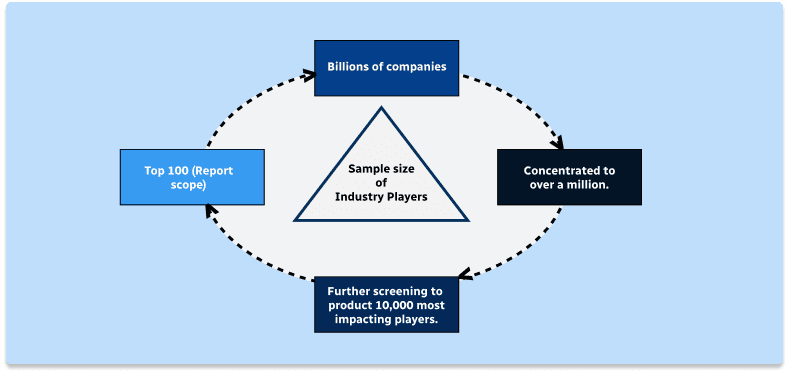
Step 1 - Identification of Relevant Samples Size from Population Database

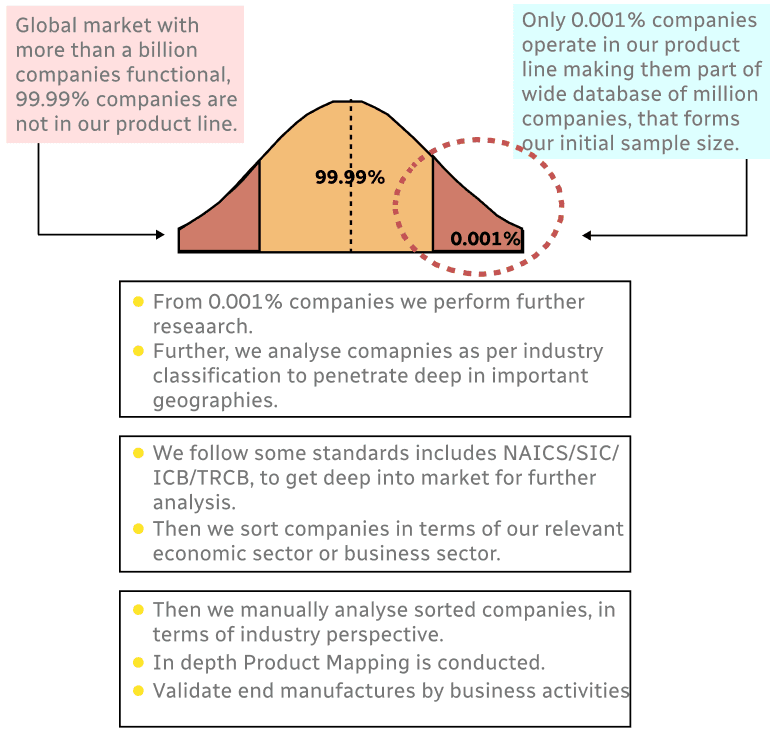
Step 2 - Approaches for Defining Global Market Size (Value, Volume* & Price*)
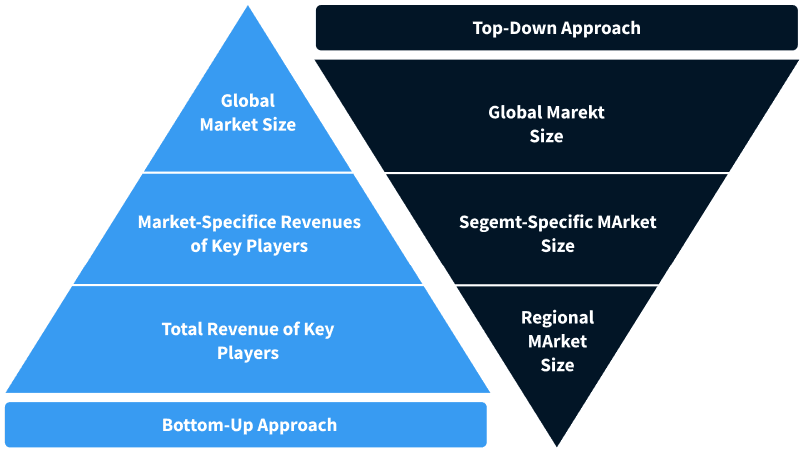
Note*: In applicable scenarios
Step 3 - Data Sources
Primary Research
- Web Analytics
- Survey Reports
- Research Institute
- Latest Research Reports
- Opinion Leaders
Secondary Research
- Annual Reports
- White Paper
- Latest Press Release
- Industry Association
- Paid Database
- Investor Presentations
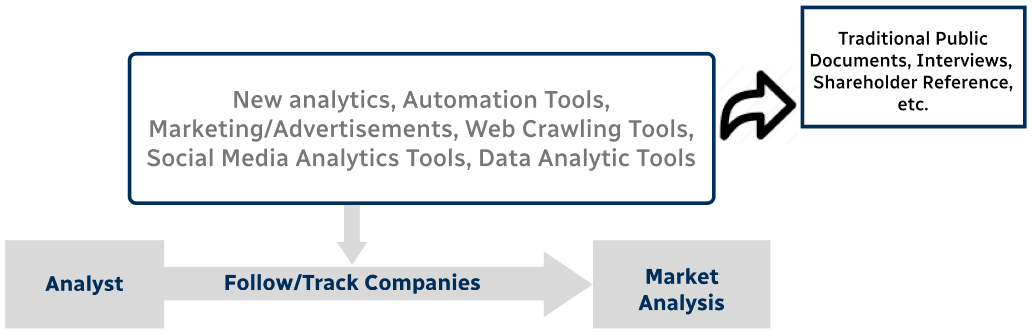
Step 4 - Data Triangulation
Involves using different sources of information in order to increase the validity of a study
These sources are likely to be stakeholders in a program - participants, other researchers, program staff, other community members, and so on.
Then we put all data in single framework & apply various statistical tools to find out the dynamic on the market.
During the analysis stage, feedback from the stakeholder groups would be compared to determine areas of agreement as well as areas of divergence