

Key Insights
The global Lipid Nanoparticle (LNP) Formulation market is experiencing robust expansion, projected to reach approximately $15,000 million by 2025, with a significant Compound Annual Growth Rate (CAGR) of around 18-20% anticipated throughout the forecast period of 2025-2033. This impressive growth is primarily fueled by the escalating demand for advanced drug delivery systems, particularly in the fields of vaccines and therapeutics. The LNP technology offers remarkable advantages in encapsulating and delivering genetic material, such as mRNA and siRNA, directly to target cells, thereby enhancing therapeutic efficacy and minimizing off-target effects. Key applications driving this growth include In Vitro and In Vivo Diagnostics, where LNPs facilitate accurate disease detection and monitoring, and Medical Imaging, where they can be utilized as contrast agents. Furthermore, the burgeoning fields of Nanotherapeutics and Regenerative Medicine are heavily reliant on sophisticated delivery mechanisms like LNPs for novel treatment strategies.
The market is segmented by type into mRNA-lipid Nanoparticle and siRNA-lipid Nanoparticle formulations. The mRNA-lipid Nanoparticle segment is currently dominant, largely due to the unprecedented success and widespread adoption of mRNA vaccines during the recent global health crisis. However, the siRNA-lipid Nanoparticle segment is rapidly gaining traction as researchers uncover its potential for a wider array of gene silencing therapies. Key market drivers include substantial investments in pharmaceutical research and development, a growing pipeline of LNP-based drug candidates, and the increasing prevalence of chronic diseases requiring innovative treatment modalities. While the market exhibits strong growth potential, challenges such as complex manufacturing processes, stringent regulatory hurdles for novel therapies, and the high cost of LNP production present potential restraints. Leading companies like Precision NanoSystems (Cytiva), Ascendia Pharmaceuticals, and CordenPharma are at the forefront of innovation, developing advanced LNP technologies and expanding manufacturing capacities to meet the surging global demand.
This in-depth report provides a crucial analysis of the burgeoning Lipid Nanoparticle (LNP) Formulation market, a transformative technology revolutionizing drug delivery and gene therapy. With an extensive study period from 2019 to 2033, including a base year of 2025 and a detailed forecast period from 2025 to 2033, this report offers unparalleled insights into market dynamics, growth trajectories, and competitive landscapes. We delve into the parent market for advanced drug delivery systems, valued at $55,000 million in 2025, and its rapidly expanding child market, the LNP Formulation sector, projected to reach $12,500 million by 2025, with a robust CAGR of 28% through 2033.
-Formulation.png)
Lipid Nanoparticle (LNP) Formulation Market Dynamics & Structure
The Lipid Nanoparticle (LNP) Formulation market is characterized by a dynamic interplay of innovation, regulatory evolution, and increasing demand for targeted therapeutic solutions. Market concentration is currently moderate, with key players establishing strong footholds through proprietary technologies and strategic partnerships. Technological innovation is the primary driver, fueled by advancements in lipid chemistry, nanoparticle engineering, and gene editing technologies, enabling the delivery of novel therapeutics like mRNA and siRNA. Regulatory frameworks, particularly those for novel drug delivery systems and gene therapies, are maturing, providing clearer pathways for product development and commercialization, though evolving guidelines can present challenges. Competitive product substitutes include other viral and non-viral delivery vectors, but LNPs offer distinct advantages in terms of safety, manufacturing scalability, and payload versatility. End-user demographics are expanding from research institutions and biopharmaceutical companies to a growing interest from diagnostic and regenerative medicine sectors. Mergers and acquisitions (M&A) activity is on the rise, with an estimated 15 significant M&A deals in the historical period (2019-2024) valued at over $800 million, indicating industry consolidation and a race for technological supremacy. Innovation barriers include complex manufacturing processes, stringent quality control requirements, and the high cost of research and development.
- Market Concentration: Moderate, with a few leading innovators and a growing number of specialized LNP formulation providers.
- Technological Innovation Drivers: Advances in lipid synthesis, formulation techniques, and RNA-based therapeutics.
- Regulatory Frameworks: Evolving but increasingly supportive for gene therapies and advanced drug delivery.
- Competitive Product Substitutes: Viral vectors, polymer-based nanoparticles, and other non-viral delivery systems.
- End-User Demographics: Biopharmaceuticals, gene therapy developers, diagnostics companies, and academic research.
- M&A Trends: Increasing consolidation, with strategic acquisitions aimed at securing IP and manufacturing capabilities.
Lipid Nanoparticle (LNP) Formulation Growth Trends & Insights
The Lipid Nanoparticle (LNP) Formulation market is experiencing unprecedented growth, driven by its pivotal role in the development of groundbreaking therapies. The market size is projected to expand significantly from an estimated $7,500 million in 2024 to $12,500 million by 2025, demonstrating a substantial upward trend that is expected to continue at a compound annual growth rate (CAGR) of 28% throughout the forecast period of 2025–2033. This accelerated adoption rate is primarily attributed to the success and widespread application of LNP-based vaccines, particularly for infectious diseases, which have opened doors for similar applications in other therapeutic areas. Technological disruptions, such as the development of more stable and efficient lipid formulations and advanced manufacturing techniques, are continuously enhancing the efficacy and safety profile of LNPs. Consumer behavior shifts are also playing a role, with an increasing acceptance and demand for personalized medicine and gene therapies. The penetration of LNP technology into novel disease areas beyond infectious diseases, including oncology, rare genetic disorders, and cardiovascular diseases, further fuels this growth. The ability of LNPs to encapsulate and deliver fragile genetic materials like mRNA and siRNA effectively and with minimal off-target effects makes them a preferred choice for many drug developers. The market is witnessing a steady increase in the number of LNP-based drug candidates entering clinical trials, signaling a robust pipeline of future commercial products. Furthermore, the growing understanding of the immunomodulatory properties of certain lipids used in LNP formulations is opening new avenues for therapeutic applications beyond mere delivery. The demand for scalable and cost-effective manufacturing solutions for LNPs is also a significant growth accelerator, encouraging investment in advanced manufacturing technologies and contract development and manufacturing organizations (CDMOs). The successful commercialization of several LNP-based products has validated the technology's potential and encouraged further investment from venture capital firms and established pharmaceutical giants. This sustained growth is underpinned by continuous innovation in lipid chemistry and formulation science, leading to improved payload capacity, enhanced stability, and reduced toxicity. The increasing focus on precision medicine and the need for targeted delivery of nucleic acid-based therapeutics solidify the LNP formulation market's trajectory for long-term expansion. The market is also benefiting from a supportive ecosystem of research institutions and biotechs collaborating to push the boundaries of LNP technology. The demand for advanced delivery systems for gene editing tools like CRISPR-Cas9 is another significant factor contributing to market expansion. The overall market penetration of LNP formulations is projected to grow from approximately 15% in 2024 to over 40% by 2033 for nucleic acid-based therapeutics.
-Formulation.png)
Dominant Regions, Countries, or Segments in Lipid Nanoparticle (LNP) Formulation
The Vaccines segment, particularly mRNA-based vaccines, is a dominant force propelling the Lipid Nanoparticle (LNP) Formulation market forward. The unparalleled success and rapid global deployment of COVID-19 vaccines have unequivocally demonstrated the efficacy and scalability of LNP technology in this application. This has created a strong foundation and immense interest in leveraging LNPs for a broad spectrum of vaccine development, including those for influenza, cancer, and other infectious diseases. North America, particularly the United States, stands out as a dominant region due to its robust biopharmaceutical ecosystem, significant government funding for research and development, and a high concentration of leading pharmaceutical and biotechnology companies actively engaged in LNP formulation. The region’s advanced regulatory landscape, while stringent, provides clear pathways for novel therapeutics, fostering innovation and investment. The presence of key LNP technology providers and CDMOs in North America further solidifies its leadership.
- Dominant Segment: Vaccines (driven by mRNA-LNP technology)
- Key Drivers: Global demand for rapid vaccine development and deployment, proven efficacy in infectious disease control, ongoing research into LNP-based vaccines for cancer and other diseases.
- Market Share: Estimated to account for over 60% of the LNP formulation market in 2025.
- Growth Potential: High, with a projected CAGR of 30% for LNP-based vaccine applications.
- Dominant Region: North America
- Key Drivers: Strong R&D infrastructure, significant government and private investment, presence of leading LNP formulation companies and CDMOs, favorable regulatory environment for advanced therapies.
- Market Share: Accounts for approximately 45% of the global LNP formulation market in 2025.
- Growth Potential: Sustained growth driven by pipeline development in nanotherapeutics and diagnostics.
- Leading Country: United States
- Key Drivers: Hub for biopharmaceutical innovation, substantial venture capital funding, active clinical trial landscape for LNP-based drugs, strong academic research institutions.
- Market Share: Estimated to hold 70% of the North American LNP market.
- Emerging Segments with High Potential:
- Nanotherapeutics: Significant growth expected for LNP delivery of gene therapies, siRNA, and gene editing tools for oncology, rare diseases, and chronic conditions.
- Regenerative Medicine: Exploration of LNP-mediated delivery of genetic material for cell reprogramming and tissue engineering.
- Types Driving Growth:
- mRNA-lipid Nanoparticle: Currently the most prominent, with vast potential for vaccines and protein replacement therapies.
- siRNA-lipid Nanoparticle: Growing rapidly for gene silencing applications in various diseases.
Lipid Nanoparticle (LNP) Formulation Product Landscape
The Lipid Nanoparticle (LNP) Formulation product landscape is characterized by continuous innovation in lipid composition, particle engineering, and manufacturing processes. Key advancements include the development of ionizable lipids that improve transfection efficiency and reduce toxicity, as well as the optimization of lipid nanoparticle architectures for enhanced payload encapsulation and targeted delivery. These products are finding extensive applications in nanotherapeutics, particularly for delivering genetic material like mRNA for vaccine production and gene therapies, as well as siRNA for gene silencing. Their performance metrics are continuously improving, with increased stability, improved pharmacokinetics, and enhanced cellular uptake. The unique selling proposition lies in their non-immunogenic nature, scalability of manufacturing, and ability to deliver a wide range of genetic payloads, making them a versatile and preferred platform for next-generation medicines.
Key Drivers, Barriers & Challenges in Lipid Nanoparticle (LNP) Formulation
Key Drivers: The Lipid Nanoparticle (LNP) Formulation market is propelled by several key drivers. The transformative potential of nucleic acid-based therapies, including mRNA and siRNA, is paramount, as LNPs provide a crucial delivery vehicle. The unprecedented success of LNP-based vaccines has significantly boosted market confidence and investment. Advances in lipid chemistry and nanoparticle engineering are enabling more efficient and targeted drug delivery. Growing demand for personalized medicine and gene therapies is further fueling innovation and adoption. Supportive regulatory pathways for novel therapeutics are also a significant catalyst.
Barriers & Challenges: Despite its rapid growth, the market faces several challenges. Complex and costly manufacturing processes, requiring specialized equipment and expertise, can be a significant barrier. Stringent quality control and regulatory hurdles for novel drug delivery systems require substantial investment and time. Ensuring the long-term stability and shelf-life of LNP formulations, especially for sensitive genetic payloads, remains an ongoing challenge. Competitive pressures from other delivery platforms and the high cost of research and development for new LNP-based therapies also present obstacles. Supply chain vulnerabilities for critical raw materials, particularly specialized lipids, can also impact production scalability.
Emerging Opportunities in Lipid Nanoparticle (LNP) Formulation
Emerging opportunities in the Lipid Nanoparticle (LNP) Formulation sector are abundant and diverse. The expansion of LNP technology into non-vaccine therapeutic areas, such as oncology, rare genetic disorders, and cardiovascular diseases, presents a vast untapped market. The development of LNPs for in vivo gene editing applications, including CRISPR-Cas9 delivery, holds immense therapeutic promise. Furthermore, the application of LNPs in medical imaging as contrast agents and in regenerative medicine for cell reprogramming and tissue engineering are nascent but promising fields. The exploration of novel lipid compositions and nanoparticle designs for improved targeting and reduced immunogenicity will continue to drive innovation and create new market niches. The growing demand for patient-specific therapies also opens avenues for customized LNP formulations.
Growth Accelerators in the Lipid Nanoparticle (LNP) Formulation Industry
Several catalysts are accelerating the growth of the Lipid Nanoparticle (LNP) Formulation industry. Technological breakthroughs in areas like continuous manufacturing and automated LNP production are enhancing scalability and reducing costs. Strategic partnerships between LNP technology developers, pharmaceutical companies, and academic institutions are fostering collaboration and accelerating drug discovery and development pipelines. Market expansion strategies, including the development of LNP formulations for new indications and geographical regions, are crucial growth drivers. The increasing investment from venture capital and established pharmaceutical companies in LNP-based technologies underscores the industry's significant growth potential. Furthermore, the development of more advanced LNP platforms capable of delivering larger payloads and targeting specific cell types with higher precision will significantly accelerate market expansion.
Key Players Shaping the Lipid Nanoparticle (LNP) Formulation Market
- Precision NanoSystems (Cytiva)
- Ascendia Pharmaceuticals
- CordenPharma
- Evonik
- Merck Millipore
- Esco Aster
- WuXi STA
- Helix Biotech
Notable Milestones in Lipid Nanoparticle (LNP) Formulation Sector
- 2020/2021: First LNP-based mRNA vaccines for COVID-19 receive emergency use authorization, demonstrating mass scalability and efficacy.
- 2021: Significant increase in venture capital funding for LNP formulation companies, reflecting investor confidence.
- 2022: Advancements in ionizable lipid development leading to improved safety and efficacy profiles for LNP formulations.
- 2023: Expansion of LNP applications beyond vaccines, with promising clinical trial results for gene therapies in oncology and rare diseases.
- 2024: Emergence of novel LNP designs for enhanced endosomal escape and improved intracellular delivery of genetic material.
- 2025 (Estimated): Increased adoption of LNP formulations for siRNA-based therapeutics targeting chronic diseases.
- 2026-2033 (Forecast): Continued innovation in LNP platforms for gene editing, regenerative medicine, and complex therapeutic modalities.
In-Depth Lipid Nanoparticle (LNP) Formulation Market Outlook
- 2020/2021: First LNP-based mRNA vaccines for COVID-19 receive emergency use authorization, demonstrating mass scalability and efficacy.
- 2021: Significant increase in venture capital funding for LNP formulation companies, reflecting investor confidence.
- 2022: Advancements in ionizable lipid development leading to improved safety and efficacy profiles for LNP formulations.
- 2023: Expansion of LNP applications beyond vaccines, with promising clinical trial results for gene therapies in oncology and rare diseases.
- 2024: Emergence of novel LNP designs for enhanced endosomal escape and improved intracellular delivery of genetic material.
- 2025 (Estimated): Increased adoption of LNP formulations for siRNA-based therapeutics targeting chronic diseases.
- 2026-2033 (Forecast): Continued innovation in LNP platforms for gene editing, regenerative medicine, and complex therapeutic modalities.
In-Depth Lipid Nanoparticle (LNP) Formulation Market Outlook
The Lipid Nanoparticle (LNP) Formulation market is poised for sustained and robust growth, driven by a confluence of technological innovation, expanding therapeutic applications, and increasing market adoption. Growth accelerators such as the development of novel lipid chemistries, advanced manufacturing techniques, and strategic collaborations will continue to fuel market expansion. The increasing pipeline of LNP-based drugs entering clinical trials across various therapeutic areas, including oncology, rare diseases, and infectious diseases, signifies a bright future. Furthermore, the exploration of LNPs in regenerative medicine and diagnostics presents new avenues for market penetration. The industry's trajectory indicates a future where LNP formulations are a cornerstone of advanced drug delivery, enabling the translation of groundbreaking genetic and cellular therapies into effective treatments for a wide range of unmet medical needs. The market will witness a deepening of expertise in LNP design and manufacturing, leading to more sophisticated and targeted delivery systems.
Lipid Nanoparticle (LNP) Formulation Segmentation
-
1. Application
- 1.1. In Vitro and In Vivo Diagnostics
- 1.2. Medical Imaging
- 1.3. Nanotherapeutics
- 1.4. Vaccines
- 1.5. Regenerative Medicine
-
2. Types
- 2.1. mRNA-lipid Nanoparticle
- 2.2. siRNA-lipid Nanoparticle
Lipid Nanoparticle (LNP) Formulation Segmentation By Geography
-
1. North America
- 1.1. United States
- 1.2. Canada
- 1.3. Mexico
-
2. South America
- 2.1. Brazil
- 2.2. Argentina
- 2.3. Rest of South America
-
3. Europe
- 3.1. United Kingdom
- 3.2. Germany
- 3.3. France
- 3.4. Italy
- 3.5. Spain
- 3.6. Russia
- 3.7. Benelux
- 3.8. Nordics
- 3.9. Rest of Europe
-
4. Middle East & Africa
- 4.1. Turkey
- 4.2. Israel
- 4.3. GCC
- 4.4. North Africa
- 4.5. South Africa
- 4.6. Rest of Middle East & Africa
-
5. Asia Pacific
- 5.1. China
- 5.2. India
- 5.3. Japan
- 5.4. South Korea
- 5.5. ASEAN
- 5.6. Oceania
- 5.7. Rest of Asia Pacific
-Formulation.png)
Lipid Nanoparticle (LNP) Formulation REPORT HIGHLIGHTS
| Aspects | Details |
|---|---|
| Study Period | 2019-2033 |
| Base Year | 2024 |
| Estimated Year | 2025 |
| Forecast Period | 2025-2033 |
| Historical Period | 2019-2024 |
| Growth Rate | CAGR of XX% from 2019-2033 |
| Segmentation |
|
Table of Contents
- 1. Introduction
- 1.1. Research Scope
- 1.2. Market Segmentation
- 1.3. Research Methodology
- 1.4. Definitions and Assumptions
- 2. Executive Summary
- 2.1. Introduction
- 3. Market Dynamics
- 3.1. Introduction
- 3.2. Market Drivers
- 3.3. Market Restrains
- 3.4. Market Trends
- 4. Market Factor Analysis
- 4.1. Porters Five Forces
- 4.2. Supply/Value Chain
- 4.3. PESTEL analysis
- 4.4. Market Entropy
- 4.5. Patent/Trademark Analysis
- 5. Global Lipid Nanoparticle (LNP) Formulation Analysis, Insights and Forecast, 2019-2031
- 5.1. Market Analysis, Insights and Forecast - by Application
- 5.1.1. In Vitro and In Vivo Diagnostics
- 5.1.2. Medical Imaging
- 5.1.3. Nanotherapeutics
- 5.1.4. Vaccines
- 5.1.5. Regenerative Medicine
- 5.2. Market Analysis, Insights and Forecast - by Types
- 5.2.1. mRNA-lipid Nanoparticle
- 5.2.2. siRNA-lipid Nanoparticle
- 5.3. Market Analysis, Insights and Forecast - by Region
- 5.3.1. North America
- 5.3.2. South America
- 5.3.3. Europe
- 5.3.4. Middle East & Africa
- 5.3.5. Asia Pacific
- 5.1. Market Analysis, Insights and Forecast - by Application
- 6. North America Lipid Nanoparticle (LNP) Formulation Analysis, Insights and Forecast, 2019-2031
- 6.1. Market Analysis, Insights and Forecast - by Application
- 6.1.1. In Vitro and In Vivo Diagnostics
- 6.1.2. Medical Imaging
- 6.1.3. Nanotherapeutics
- 6.1.4. Vaccines
- 6.1.5. Regenerative Medicine
- 6.2. Market Analysis, Insights and Forecast - by Types
- 6.2.1. mRNA-lipid Nanoparticle
- 6.2.2. siRNA-lipid Nanoparticle
- 6.1. Market Analysis, Insights and Forecast - by Application
- 7. South America Lipid Nanoparticle (LNP) Formulation Analysis, Insights and Forecast, 2019-2031
- 7.1. Market Analysis, Insights and Forecast - by Application
- 7.1.1. In Vitro and In Vivo Diagnostics
- 7.1.2. Medical Imaging
- 7.1.3. Nanotherapeutics
- 7.1.4. Vaccines
- 7.1.5. Regenerative Medicine
- 7.2. Market Analysis, Insights and Forecast - by Types
- 7.2.1. mRNA-lipid Nanoparticle
- 7.2.2. siRNA-lipid Nanoparticle
- 7.1. Market Analysis, Insights and Forecast - by Application
- 8. Europe Lipid Nanoparticle (LNP) Formulation Analysis, Insights and Forecast, 2019-2031
- 8.1. Market Analysis, Insights and Forecast - by Application
- 8.1.1. In Vitro and In Vivo Diagnostics
- 8.1.2. Medical Imaging
- 8.1.3. Nanotherapeutics
- 8.1.4. Vaccines
- 8.1.5. Regenerative Medicine
- 8.2. Market Analysis, Insights and Forecast - by Types
- 8.2.1. mRNA-lipid Nanoparticle
- 8.2.2. siRNA-lipid Nanoparticle
- 8.1. Market Analysis, Insights and Forecast - by Application
- 9. Middle East & Africa Lipid Nanoparticle (LNP) Formulation Analysis, Insights and Forecast, 2019-2031
- 9.1. Market Analysis, Insights and Forecast - by Application
- 9.1.1. In Vitro and In Vivo Diagnostics
- 9.1.2. Medical Imaging
- 9.1.3. Nanotherapeutics
- 9.1.4. Vaccines
- 9.1.5. Regenerative Medicine
- 9.2. Market Analysis, Insights and Forecast - by Types
- 9.2.1. mRNA-lipid Nanoparticle
- 9.2.2. siRNA-lipid Nanoparticle
- 9.1. Market Analysis, Insights and Forecast - by Application
- 10. Asia Pacific Lipid Nanoparticle (LNP) Formulation Analysis, Insights and Forecast, 2019-2031
- 10.1. Market Analysis, Insights and Forecast - by Application
- 10.1.1. In Vitro and In Vivo Diagnostics
- 10.1.2. Medical Imaging
- 10.1.3. Nanotherapeutics
- 10.1.4. Vaccines
- 10.1.5. Regenerative Medicine
- 10.2. Market Analysis, Insights and Forecast - by Types
- 10.2.1. mRNA-lipid Nanoparticle
- 10.2.2. siRNA-lipid Nanoparticle
- 10.1. Market Analysis, Insights and Forecast - by Application
- 11. Competitive Analysis
- 11.1. Global Market Share Analysis 2024
- 11.2. Company Profiles
- 11.2.1 Precision NanoSystems (Cytiva)
- 11.2.1.1. Overview
- 11.2.1.2. Products
- 11.2.1.3. SWOT Analysis
- 11.2.1.4. Recent Developments
- 11.2.1.5. Financials (Based on Availability)
- 11.2.2 Ascendia Pharmaceuticals
- 11.2.2.1. Overview
- 11.2.2.2. Products
- 11.2.2.3. SWOT Analysis
- 11.2.2.4. Recent Developments
- 11.2.2.5. Financials (Based on Availability)
- 11.2.3 CordenPharma
- 11.2.3.1. Overview
- 11.2.3.2. Products
- 11.2.3.3. SWOT Analysis
- 11.2.3.4. Recent Developments
- 11.2.3.5. Financials (Based on Availability)
- 11.2.4 Evonik
- 11.2.4.1. Overview
- 11.2.4.2. Products
- 11.2.4.3. SWOT Analysis
- 11.2.4.4. Recent Developments
- 11.2.4.5. Financials (Based on Availability)
- 11.2.5 Merck Millipore
- 11.2.5.1. Overview
- 11.2.5.2. Products
- 11.2.5.3. SWOT Analysis
- 11.2.5.4. Recent Developments
- 11.2.5.5. Financials (Based on Availability)
- 11.2.6 Esco Aster
- 11.2.6.1. Overview
- 11.2.6.2. Products
- 11.2.6.3. SWOT Analysis
- 11.2.6.4. Recent Developments
- 11.2.6.5. Financials (Based on Availability)
- 11.2.7 WuXi STA
- 11.2.7.1. Overview
- 11.2.7.2. Products
- 11.2.7.3. SWOT Analysis
- 11.2.7.4. Recent Developments
- 11.2.7.5. Financials (Based on Availability)
- 11.2.8 Helix Biotech
- 11.2.8.1. Overview
- 11.2.8.2. Products
- 11.2.8.3. SWOT Analysis
- 11.2.8.4. Recent Developments
- 11.2.8.5. Financials (Based on Availability)
- 11.2.1 Precision NanoSystems (Cytiva)
List of Figures
- Figure 1: Global Lipid Nanoparticle (LNP) Formulation Revenue Breakdown (million, %) by Region 2024 & 2032
- Figure 2: North America Lipid Nanoparticle (LNP) Formulation Revenue (million), by Application 2024 & 2032
- Figure 3: North America Lipid Nanoparticle (LNP) Formulation Revenue Share (%), by Application 2024 & 2032
- Figure 4: North America Lipid Nanoparticle (LNP) Formulation Revenue (million), by Types 2024 & 2032
- Figure 5: North America Lipid Nanoparticle (LNP) Formulation Revenue Share (%), by Types 2024 & 2032
- Figure 6: North America Lipid Nanoparticle (LNP) Formulation Revenue (million), by Country 2024 & 2032
- Figure 7: North America Lipid Nanoparticle (LNP) Formulation Revenue Share (%), by Country 2024 & 2032
- Figure 8: South America Lipid Nanoparticle (LNP) Formulation Revenue (million), by Application 2024 & 2032
- Figure 9: South America Lipid Nanoparticle (LNP) Formulation Revenue Share (%), by Application 2024 & 2032
- Figure 10: South America Lipid Nanoparticle (LNP) Formulation Revenue (million), by Types 2024 & 2032
- Figure 11: South America Lipid Nanoparticle (LNP) Formulation Revenue Share (%), by Types 2024 & 2032
- Figure 12: South America Lipid Nanoparticle (LNP) Formulation Revenue (million), by Country 2024 & 2032
- Figure 13: South America Lipid Nanoparticle (LNP) Formulation Revenue Share (%), by Country 2024 & 2032
- Figure 14: Europe Lipid Nanoparticle (LNP) Formulation Revenue (million), by Application 2024 & 2032
- Figure 15: Europe Lipid Nanoparticle (LNP) Formulation Revenue Share (%), by Application 2024 & 2032
- Figure 16: Europe Lipid Nanoparticle (LNP) Formulation Revenue (million), by Types 2024 & 2032
- Figure 17: Europe Lipid Nanoparticle (LNP) Formulation Revenue Share (%), by Types 2024 & 2032
- Figure 18: Europe Lipid Nanoparticle (LNP) Formulation Revenue (million), by Country 2024 & 2032
- Figure 19: Europe Lipid Nanoparticle (LNP) Formulation Revenue Share (%), by Country 2024 & 2032
- Figure 20: Middle East & Africa Lipid Nanoparticle (LNP) Formulation Revenue (million), by Application 2024 & 2032
- Figure 21: Middle East & Africa Lipid Nanoparticle (LNP) Formulation Revenue Share (%), by Application 2024 & 2032
- Figure 22: Middle East & Africa Lipid Nanoparticle (LNP) Formulation Revenue (million), by Types 2024 & 2032
- Figure 23: Middle East & Africa Lipid Nanoparticle (LNP) Formulation Revenue Share (%), by Types 2024 & 2032
- Figure 24: Middle East & Africa Lipid Nanoparticle (LNP) Formulation Revenue (million), by Country 2024 & 2032
- Figure 25: Middle East & Africa Lipid Nanoparticle (LNP) Formulation Revenue Share (%), by Country 2024 & 2032
- Figure 26: Asia Pacific Lipid Nanoparticle (LNP) Formulation Revenue (million), by Application 2024 & 2032
- Figure 27: Asia Pacific Lipid Nanoparticle (LNP) Formulation Revenue Share (%), by Application 2024 & 2032
- Figure 28: Asia Pacific Lipid Nanoparticle (LNP) Formulation Revenue (million), by Types 2024 & 2032
- Figure 29: Asia Pacific Lipid Nanoparticle (LNP) Formulation Revenue Share (%), by Types 2024 & 2032
- Figure 30: Asia Pacific Lipid Nanoparticle (LNP) Formulation Revenue (million), by Country 2024 & 2032
- Figure 31: Asia Pacific Lipid Nanoparticle (LNP) Formulation Revenue Share (%), by Country 2024 & 2032
List of Tables
- Table 1: Global Lipid Nanoparticle (LNP) Formulation Revenue million Forecast, by Region 2019 & 2032
- Table 2: Global Lipid Nanoparticle (LNP) Formulation Revenue million Forecast, by Application 2019 & 2032
- Table 3: Global Lipid Nanoparticle (LNP) Formulation Revenue million Forecast, by Types 2019 & 2032
- Table 4: Global Lipid Nanoparticle (LNP) Formulation Revenue million Forecast, by Region 2019 & 2032
- Table 5: Global Lipid Nanoparticle (LNP) Formulation Revenue million Forecast, by Application 2019 & 2032
- Table 6: Global Lipid Nanoparticle (LNP) Formulation Revenue million Forecast, by Types 2019 & 2032
- Table 7: Global Lipid Nanoparticle (LNP) Formulation Revenue million Forecast, by Country 2019 & 2032
- Table 8: United States Lipid Nanoparticle (LNP) Formulation Revenue (million) Forecast, by Application 2019 & 2032
- Table 9: Canada Lipid Nanoparticle (LNP) Formulation Revenue (million) Forecast, by Application 2019 & 2032
- Table 10: Mexico Lipid Nanoparticle (LNP) Formulation Revenue (million) Forecast, by Application 2019 & 2032
- Table 11: Global Lipid Nanoparticle (LNP) Formulation Revenue million Forecast, by Application 2019 & 2032
- Table 12: Global Lipid Nanoparticle (LNP) Formulation Revenue million Forecast, by Types 2019 & 2032
- Table 13: Global Lipid Nanoparticle (LNP) Formulation Revenue million Forecast, by Country 2019 & 2032
- Table 14: Brazil Lipid Nanoparticle (LNP) Formulation Revenue (million) Forecast, by Application 2019 & 2032
- Table 15: Argentina Lipid Nanoparticle (LNP) Formulation Revenue (million) Forecast, by Application 2019 & 2032
- Table 16: Rest of South America Lipid Nanoparticle (LNP) Formulation Revenue (million) Forecast, by Application 2019 & 2032
- Table 17: Global Lipid Nanoparticle (LNP) Formulation Revenue million Forecast, by Application 2019 & 2032
- Table 18: Global Lipid Nanoparticle (LNP) Formulation Revenue million Forecast, by Types 2019 & 2032
- Table 19: Global Lipid Nanoparticle (LNP) Formulation Revenue million Forecast, by Country 2019 & 2032
- Table 20: United Kingdom Lipid Nanoparticle (LNP) Formulation Revenue (million) Forecast, by Application 2019 & 2032
- Table 21: Germany Lipid Nanoparticle (LNP) Formulation Revenue (million) Forecast, by Application 2019 & 2032
- Table 22: France Lipid Nanoparticle (LNP) Formulation Revenue (million) Forecast, by Application 2019 & 2032
- Table 23: Italy Lipid Nanoparticle (LNP) Formulation Revenue (million) Forecast, by Application 2019 & 2032
- Table 24: Spain Lipid Nanoparticle (LNP) Formulation Revenue (million) Forecast, by Application 2019 & 2032
- Table 25: Russia Lipid Nanoparticle (LNP) Formulation Revenue (million) Forecast, by Application 2019 & 2032
- Table 26: Benelux Lipid Nanoparticle (LNP) Formulation Revenue (million) Forecast, by Application 2019 & 2032
- Table 27: Nordics Lipid Nanoparticle (LNP) Formulation Revenue (million) Forecast, by Application 2019 & 2032
- Table 28: Rest of Europe Lipid Nanoparticle (LNP) Formulation Revenue (million) Forecast, by Application 2019 & 2032
- Table 29: Global Lipid Nanoparticle (LNP) Formulation Revenue million Forecast, by Application 2019 & 2032
- Table 30: Global Lipid Nanoparticle (LNP) Formulation Revenue million Forecast, by Types 2019 & 2032
- Table 31: Global Lipid Nanoparticle (LNP) Formulation Revenue million Forecast, by Country 2019 & 2032
- Table 32: Turkey Lipid Nanoparticle (LNP) Formulation Revenue (million) Forecast, by Application 2019 & 2032
- Table 33: Israel Lipid Nanoparticle (LNP) Formulation Revenue (million) Forecast, by Application 2019 & 2032
- Table 34: GCC Lipid Nanoparticle (LNP) Formulation Revenue (million) Forecast, by Application 2019 & 2032
- Table 35: North Africa Lipid Nanoparticle (LNP) Formulation Revenue (million) Forecast, by Application 2019 & 2032
- Table 36: South Africa Lipid Nanoparticle (LNP) Formulation Revenue (million) Forecast, by Application 2019 & 2032
- Table 37: Rest of Middle East & Africa Lipid Nanoparticle (LNP) Formulation Revenue (million) Forecast, by Application 2019 & 2032
- Table 38: Global Lipid Nanoparticle (LNP) Formulation Revenue million Forecast, by Application 2019 & 2032
- Table 39: Global Lipid Nanoparticle (LNP) Formulation Revenue million Forecast, by Types 2019 & 2032
- Table 40: Global Lipid Nanoparticle (LNP) Formulation Revenue million Forecast, by Country 2019 & 2032
- Table 41: China Lipid Nanoparticle (LNP) Formulation Revenue (million) Forecast, by Application 2019 & 2032
- Table 42: India Lipid Nanoparticle (LNP) Formulation Revenue (million) Forecast, by Application 2019 & 2032
- Table 43: Japan Lipid Nanoparticle (LNP) Formulation Revenue (million) Forecast, by Application 2019 & 2032
- Table 44: South Korea Lipid Nanoparticle (LNP) Formulation Revenue (million) Forecast, by Application 2019 & 2032
- Table 45: ASEAN Lipid Nanoparticle (LNP) Formulation Revenue (million) Forecast, by Application 2019 & 2032
- Table 46: Oceania Lipid Nanoparticle (LNP) Formulation Revenue (million) Forecast, by Application 2019 & 2032
- Table 47: Rest of Asia Pacific Lipid Nanoparticle (LNP) Formulation Revenue (million) Forecast, by Application 2019 & 2032
Frequently Asked Questions
1. What is the projected Compound Annual Growth Rate (CAGR) of the Lipid Nanoparticle (LNP) Formulation?
The projected CAGR is approximately XX%.
2. Which companies are prominent players in the Lipid Nanoparticle (LNP) Formulation?
Key companies in the market include Precision NanoSystems (Cytiva), Ascendia Pharmaceuticals, CordenPharma, Evonik, Merck Millipore, Esco Aster, WuXi STA, Helix Biotech.
3. What are the main segments of the Lipid Nanoparticle (LNP) Formulation?
The market segments include Application, Types.
4. Can you provide details about the market size?
The market size is estimated to be USD XXX million as of 2022.
5. What are some drivers contributing to market growth?
N/A
6. What are the notable trends driving market growth?
N/A
7. Are there any restraints impacting market growth?
N/A
8. Can you provide examples of recent developments in the market?
N/A
9. What pricing options are available for accessing the report?
Pricing options include single-user, multi-user, and enterprise licenses priced at USD 3950.00, USD 5925.00, and USD 7900.00 respectively.
10. Is the market size provided in terms of value or volume?
The market size is provided in terms of value, measured in million.
11. Are there any specific market keywords associated with the report?
Yes, the market keyword associated with the report is "Lipid Nanoparticle (LNP) Formulation," which aids in identifying and referencing the specific market segment covered.
12. How do I determine which pricing option suits my needs best?
The pricing options vary based on user requirements and access needs. Individual users may opt for single-user licenses, while businesses requiring broader access may choose multi-user or enterprise licenses for cost-effective access to the report.
13. Are there any additional resources or data provided in the Lipid Nanoparticle (LNP) Formulation report?
While the report offers comprehensive insights, it's advisable to review the specific contents or supplementary materials provided to ascertain if additional resources or data are available.
14. How can I stay updated on further developments or reports in the Lipid Nanoparticle (LNP) Formulation?
To stay informed about further developments, trends, and reports in the Lipid Nanoparticle (LNP) Formulation, consider subscribing to industry newsletters, following relevant companies and organizations, or regularly checking reputable industry news sources and publications.
Methodology
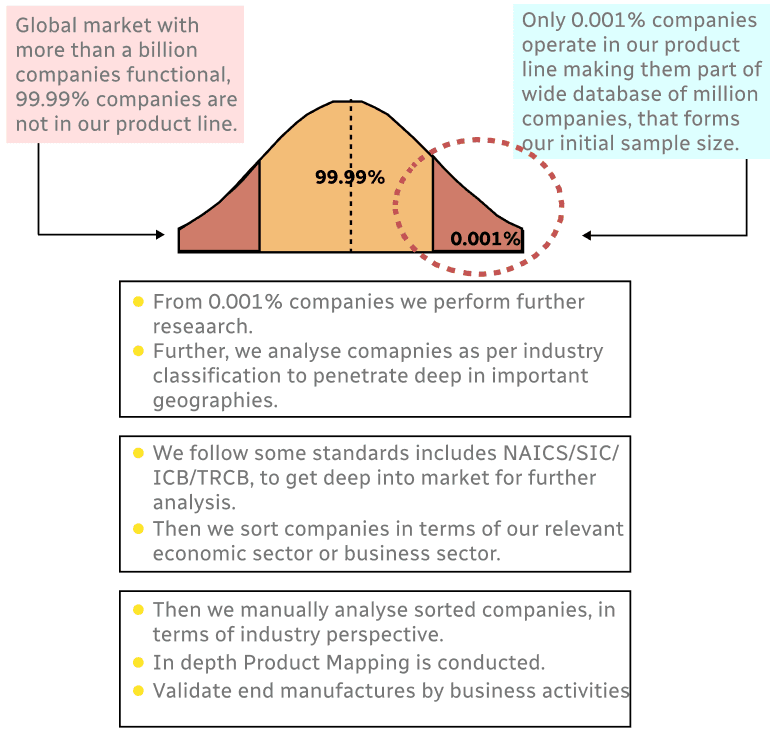
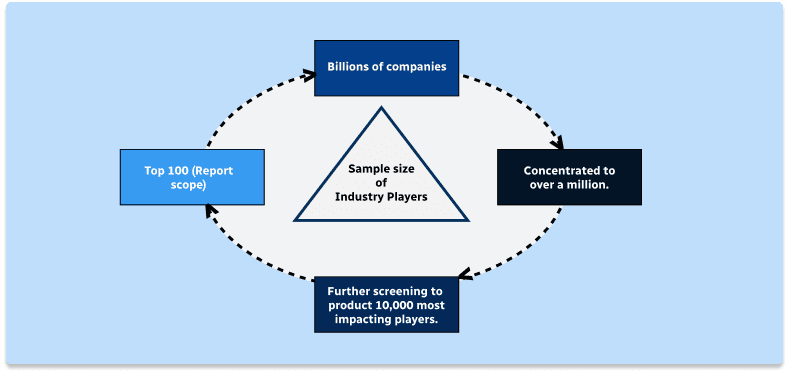
Step 1 - Identification of Relevant Samples Size from Population Database

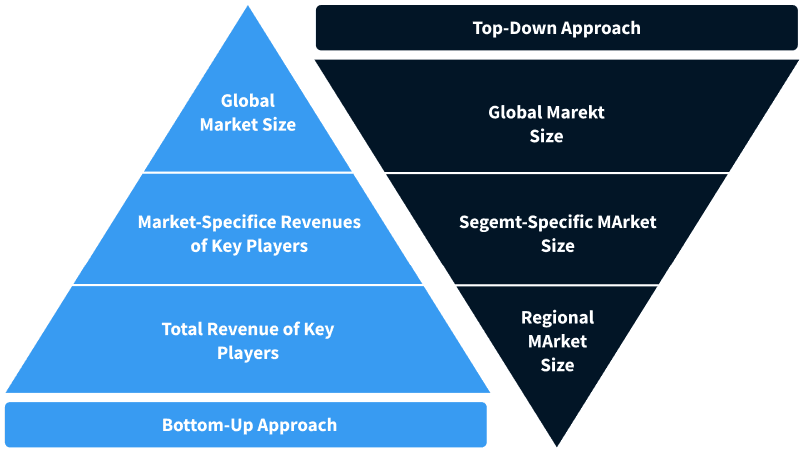
Step 2 - Approaches for Defining Global Market Size (Value, Volume* & Price*)
Note*: In applicable scenarios
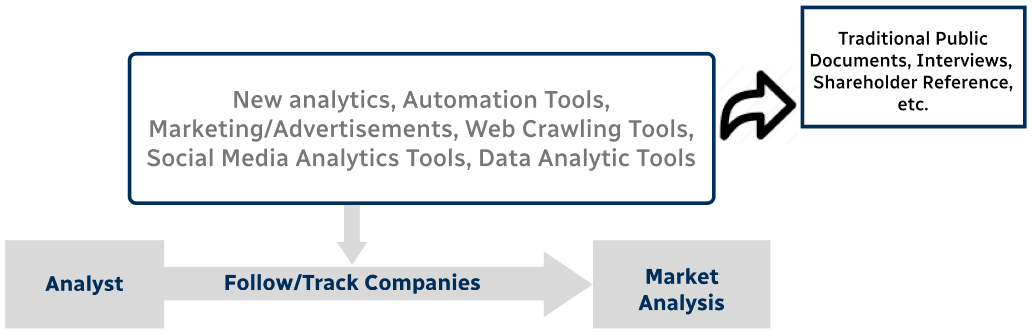
Step 3 - Data Sources
Primary Research
- Web Analytics
- Survey Reports
- Research Institute
- Latest Research Reports
- Opinion Leaders
Secondary Research
- Annual Reports
- White Paper
- Latest Press Release
- Industry Association
- Paid Database
- Investor Presentations
Step 4 - Data Triangulation
Involves using different sources of information in order to increase the validity of a study
These sources are likely to be stakeholders in a program - participants, other researchers, program staff, other community members, and so on.
Then we put all data in single framework & apply various statistical tools to find out the dynamic on the market.
During the analysis stage, feedback from the stakeholder groups would be compared to determine areas of agreement as well as areas of divergence